Not every crack in your basement wall means your home has a serious foundation problem. The same goes for a sticking door, an uneven floor, or a small gap between your walls and ceiling. However, when several of these problems begin appearing together, they may be warning signs that part of your foundation is settling or moving.
At Perma-Seal, we’ve been helping homeowners throughout Chicago and Northwest Indiana identify and repair foundation problems since 1979. Our team has seen how foundation movement can affect different parts of a home, sometimes creating problems that homeowners don’t immediately associate with their foundation. Cracks in exterior brickwork, doors that no longer close properly, and floors that develop a noticeable slope can all be connected to the same underlying issue. The important thing is determining what’s causing those changes before deciding whether foundation repairs are necessary.
What Are the Warning Signs of Foundation Problems?
Foundation problems don’t always look the same from one home to another. Some develop gradually over several years, while others become noticeable after periods of heavy rain, changes in soil moisture, or other conditions that affect the ground supporting your home. Here are some of the common warning signs our team recommends watching for.
Bowing or Leaning Basement Walls
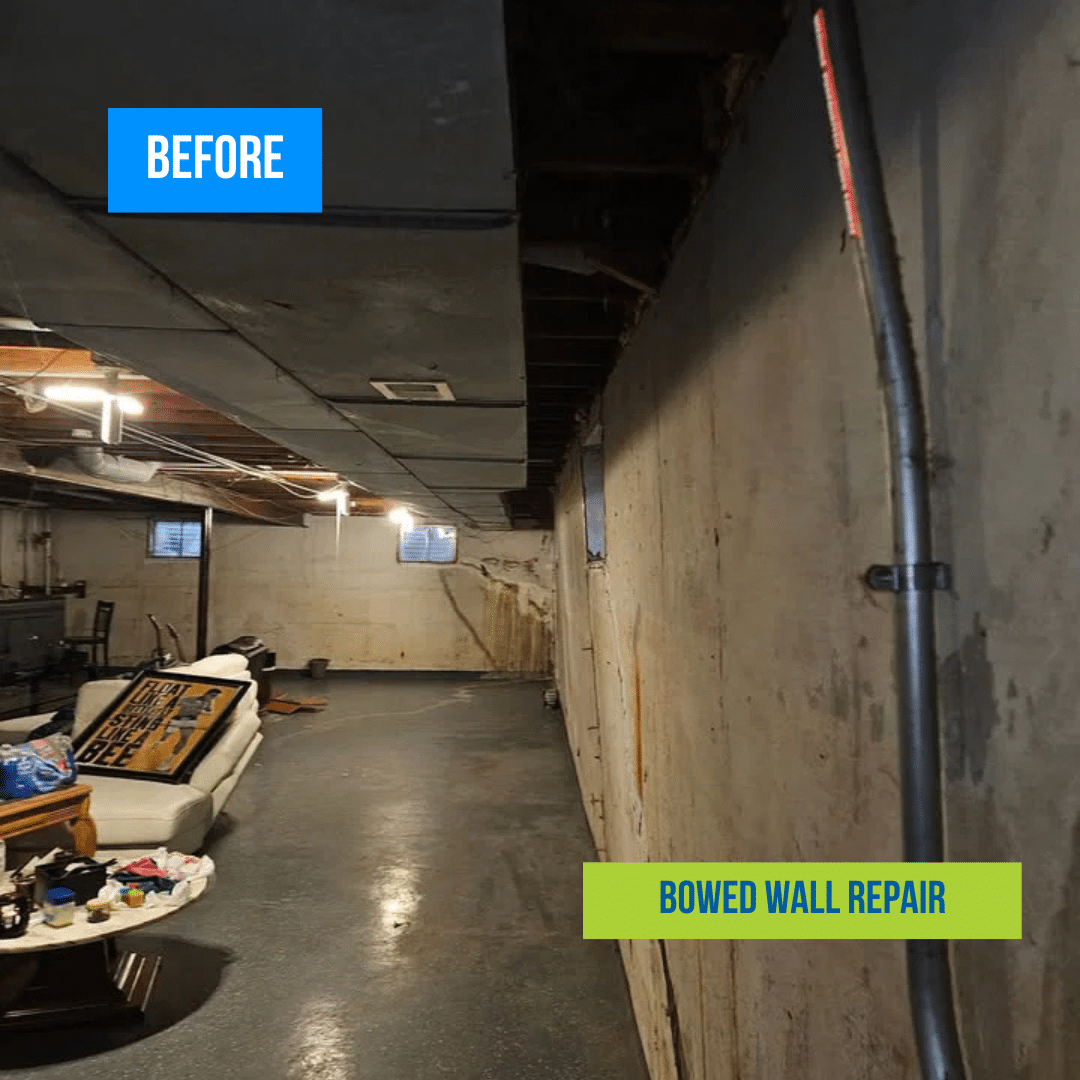
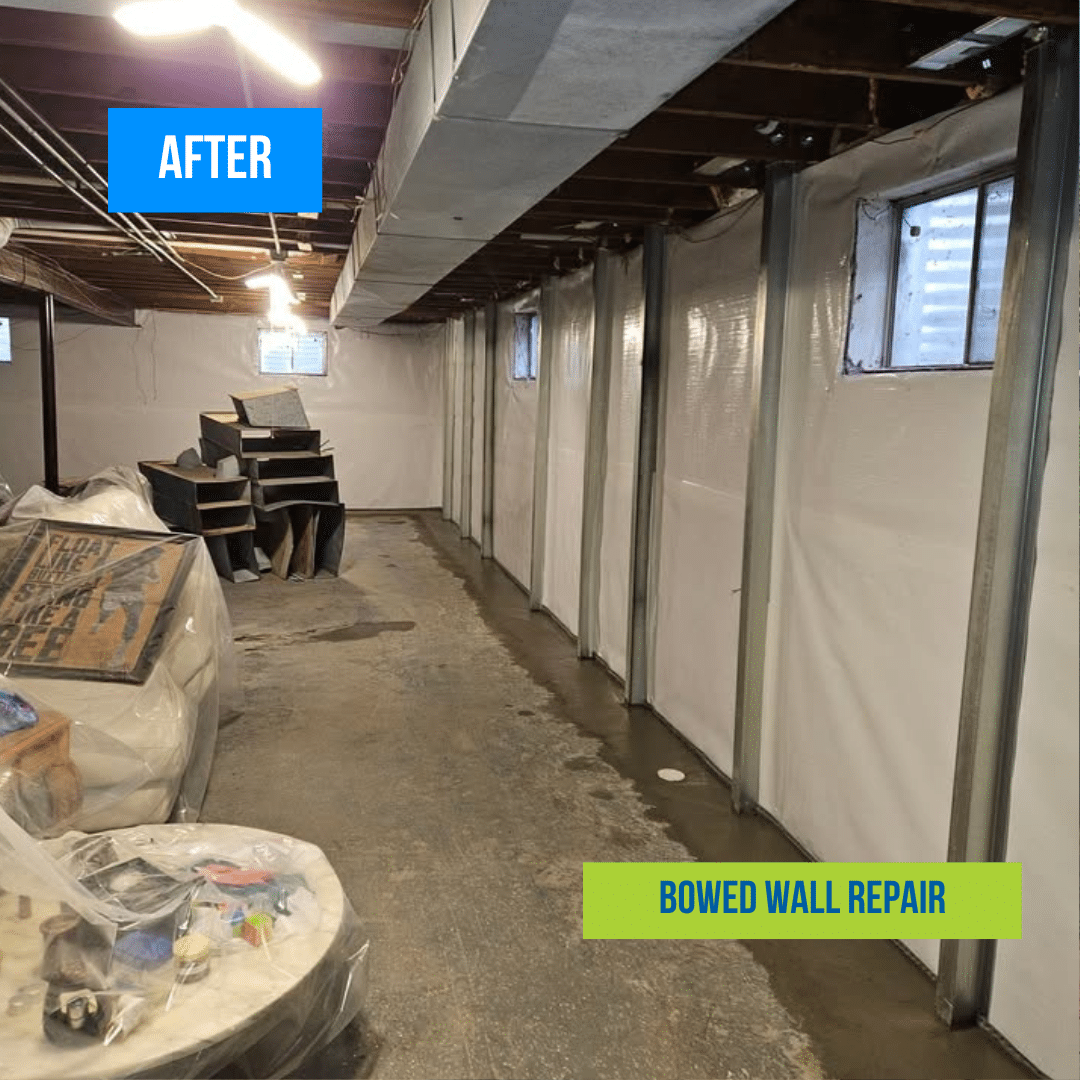
A basement wall that is beginning to bow, lean, or move inward is one of the more concerning signs of a foundation problem. This type of movement is often associated with pressure from the soil surrounding the foundation. When that pressure becomes greater than the wall can resist, cracks may develop and the wall can begin moving inward. Horizontal cracks are a common warning sign, particularly in concrete block foundations, although they can appear in other foundation types as well.
When our team inspects a bowing basement wall, we look at the location and pattern of the cracks, the amount of movement, and the overall condition of the wall. We also evaluate drainage and other conditions around the foundation that may be contributing to the pressure. Depending on what we find, Perma-Seal installs several types of wall stabilization systems, including carbon fiber reinforcement, wall anchors, and steel bracing systems. Each system is designed for different conditions, so we determine the appropriate repair after evaluating the wall rather than recommending the same solution for every home.
Stair-Step Cracks in Brick or Masonry
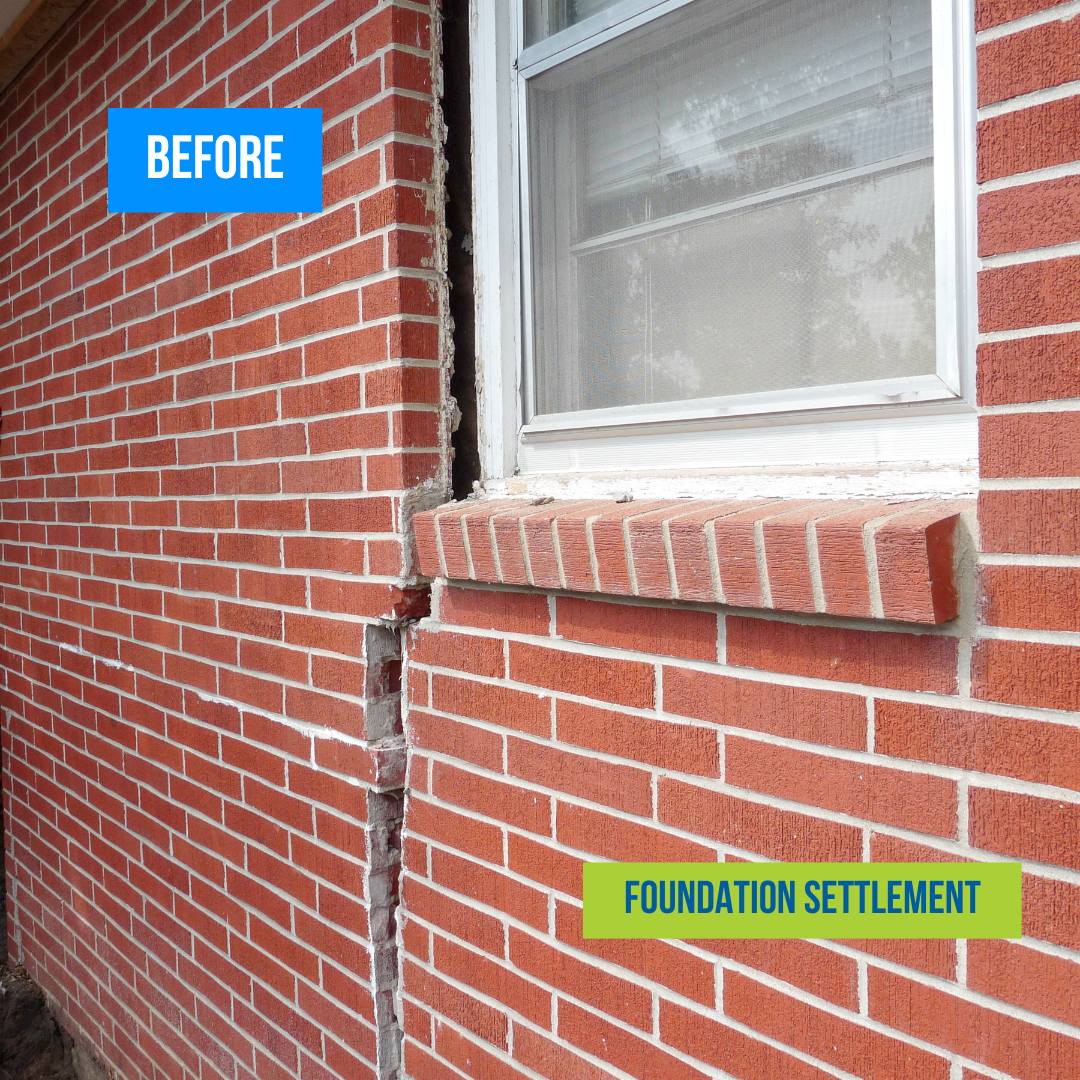
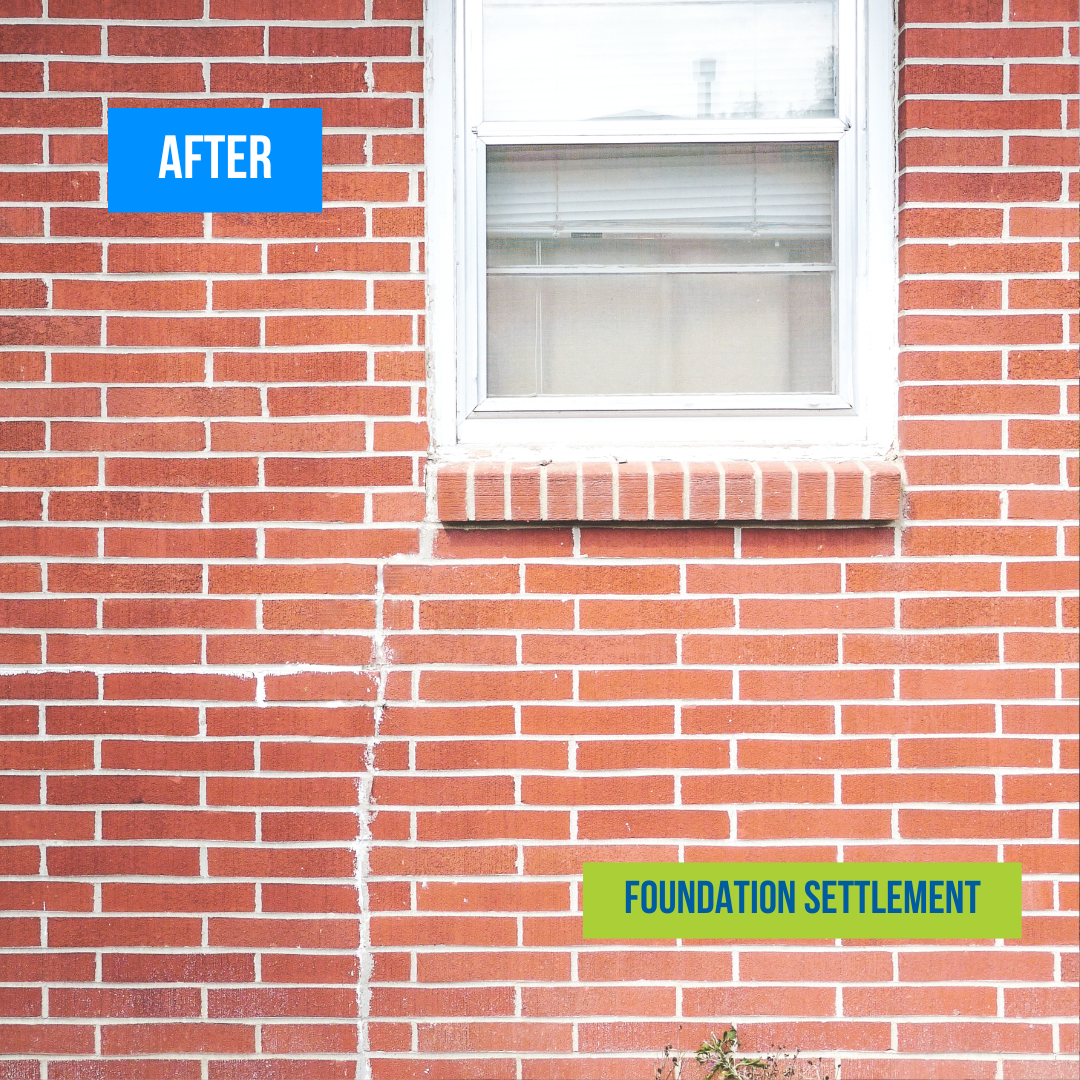
Stair-step cracks are another common warning sign of foundation movement, particularly in homes with brick exteriors or concrete block foundations. These cracks follow the mortar joints between individual bricks or blocks, creating a staircase-like pattern. They can develop when one section of a foundation settles differently from another, placing stress on the masonry above it. Homeowners often notice these cracks around corners, windows, or other areas where movement becomes visible.
Not every stair-step crack indicates a structural problem. Older masonry can develop cracks from deteriorating mortar, temperature changes, and other conditions unrelated to foundation settlement. Our team looks at the location and width of the cracks, whether the masonry has shifted out of alignment, and whether there are other signs of movement nearby. When stair-step cracks continue growing or appear alongside sticking doors, uneven floors, or separation around windows, we recommend having the foundation inspected to identify the cause.
Doors and Windows That Suddenly Begin Sticking
Doors and windows can become difficult to open or close for several reasons, especially in older Chicago homes. Humidity can cause wood to expand, hinges can loosen, and frames can shift slightly as materials age. However, when several doors or windows suddenly begin sticking, particularly in the same area of the home, the problem may be related to foundation movement.
When part of a foundation settles or shifts, it can affect the framing above it. Door and window openings that were once square may become distorted, causing doors to rub against their frames, windows to bind, or gaps to develop around the trim. We recommend looking for other changes around these openings, including diagonal drywall cracks, separation between the frame and surrounding wall, or cracks in nearby exterior masonry. During a foundation inspection, our team evaluates these symptoms together to determine whether they may be connected to movement beneath the home. Adjusting a sticking door might correct the immediate problem, but it won’t address foundation settlement if that’s what’s causing the opening to shift.

Uneven, Sloping, or Sagging Floors
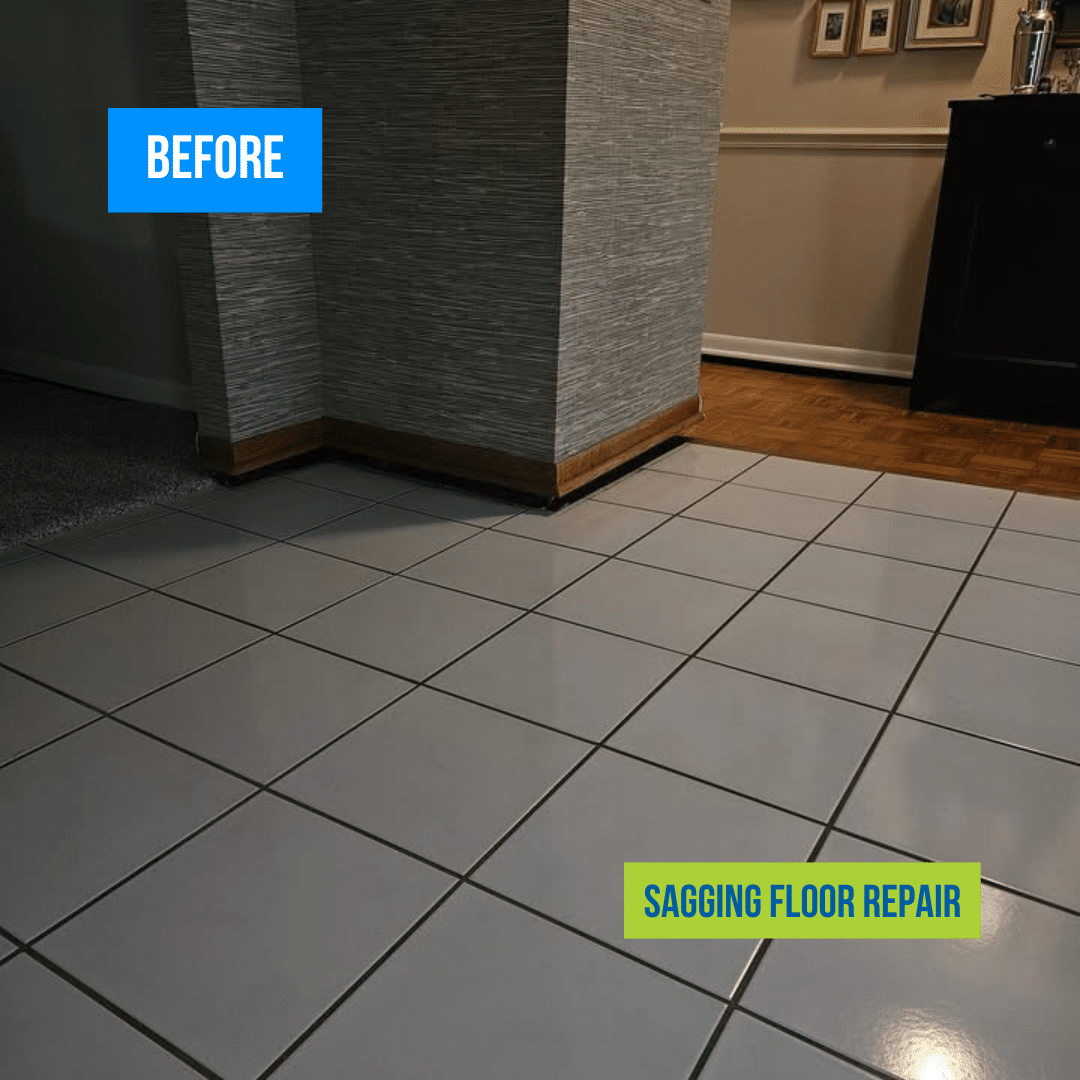
Uneven floors are fairly common in older homes, and a slight slope doesn’t necessarily mean the foundation needs repair. However, a floor that has recently started sloping, sagging, or developing a noticeable low spot deserves a closer look. Changes in floor elevation can result from foundation settlement, deteriorating floor supports, or other structural problems beneath the living space.
At Perma-Seal, we look at where the floor is uneven and what type of support exists underneath it. A floor that slopes toward an exterior wall may indicate a different problem than one that sags near the center of a room. In some cases, the foundation itself is settling. In others, weakened floor joists, beams, or support posts may be contributing to the problem. Our team evaluates the supporting structure along with any nearby wall cracks, sticking doors, or other signs of movement before recommending a repair.

Gaps Between Walls, Floors, and Ceilings
Foundation movement can sometimes cause separation between parts of your home that previously fit together. Homeowners may notice gaps opening between walls and ceilings, baseboards pulling away from floors, crown molding separating at corners, or spaces developing around doors and windows. These changes can occur when the framing above the foundation shifts as the structure settles unevenly.
Small gaps aren’t always a reason for concern. Building materials naturally expand and contract with temperature and humidity changes, and older homes may have minor separations that have remained unchanged for years. What concerns our team more is when several new gaps develop in the same area or continue getting larger. We look at these changes alongside the condition of the foundation and other structural components to determine whether they’re related to an underlying movement problem.
Foundation Cracks That Keep Growing or Reappear After Repair
Foundation cracks can develop for a variety of reasons, including concrete shrinkage, settlement, and pressure against basement walls. While some cracks remain unchanged for years, others continue to widen or reopen after being patched. A crack that repeatedly returns after a cosmetic repair may indicate that the underlying movement is still occurring.
When our team evaluates foundation cracks, we look at their direction, location, width, and whether the surrounding wall has shifted. We also consider whether the crack is allowing water into the basement and if other symptoms have developed nearby. If you’ve noticed a crack changing over time, we recommend taking dated photographs so you can compare its condition. This information can be helpful during our inspection, particularly when movement has been occurring gradually.
Which Combinations of Foundation Warning Signs Are Most Concerning?
A single crack or sticking door doesn’t always indicate a serious foundation problem. However, when several warning signs appear together, they can help us understand how movement may be affecting the home. For example, a stair-step crack in exterior brickwork may not be particularly concerning on its own, but that same crack appearing alongside sticking windows and uneven floors could indicate that part of the foundation is settling.
Here are some combinations of symptoms our team recommends paying closer attention to.
| What You're Noticing | What May Be Happening |
|---|---|
| Horizontal basement cracks and a wall bowing inward | Pressure from the surrounding soil may be causing the foundation wall to move. |
| Stair-step cracks and nearby sticking doors or windows | Uneven foundation settlement may be affecting both the masonry and framing. |
| Sloping floors and gaps around walls or trim | Movement may be affecting the foundation or the supporting structure beneath the floors. |
| Cracks that repeatedly reopen after being patched | The underlying movement may still be occurring. |
| Several doors or windows becoming misaligned in one area | Part of the home's framing or foundation may have shifted. |
| New cracks and visible foundation displacement | Structural movement may be occurring and should be evaluated promptly. |
| Bowing basement walls and water intrusion | Soil pressure and drainage problems may be contributing to the wall's movement. |
These combinations don’t automatically mean your home needs major structural repairs, but they do provide useful information during an inspection. Our team looks for connections between the different symptoms to determine where movement may be occurring and what could be causing it. Simply patching cracks or adjusting doors without addressing an underlying foundation problem may allow the same symptoms to return.
Not Every Foundation Crack Requires Structural Repair
Finding a crack in your foundation can be concerning, but not every crack requires major structural repairs. Concrete naturally shrinks as it cures, which can cause small cracks to develop. Older brick and masonry foundations may also develop cracks as mortar deteriorates, and some visible cracks may be the result of past movement that has since stopped.
At Perma-Seal, we inspect the condition of the foundation before recommending any repair. We look at the size and direction of the crack, whether the surfaces on either side remain aligned, and whether the wall shows signs of bowing, leaning, or settlement. We also check for moisture problems and other changes throughout the home that may help explain what’s happening. A small vertical crack in a poured concrete foundation, for example, may be related to shrinkage rather than a structural issue. A horizontal crack accompanied by an inward-moving basement wall, on the other hand, may indicate a more significant problem.
Our goal is to identify the cause and recommend the appropriate solution for the condition of the foundation. Some cracks may only require sealing to prevent water intrusion, while others may be associated with settlement or wall movement that requires structural stabilization.
Why Chicago Homes Develop Foundation Problems
Chicago-area homes are exposed to weather and soil conditions that can contribute to foundation movement over time. Heavy spring rains, melting snow, freeze-thaw cycles, and changing soil moisture can all affect the ground surrounding a foundation. Many parts of the Chicago area also have clay-rich soils that respond to changes in moisture, which can affect the support beneath a home and contribute to uneven settlement.
Water around the foundation is another important factor. When gutters become clogged, downspouts discharge too close to the house, or the surrounding yard doesn’t drain properly, water can collect in the soil near basement walls. Saturated soil can increase pressure against the foundation, potentially contributing to cracking or inward wall movement. Changes in soil moisture and support beneath footings can also cause portions of a home to settle at different rates.
Chicago also has a large number of older homes with foundations constructed from poured concrete, concrete block, brick, and stone. These different foundation types can develop problems in different ways, and the age and condition of the materials can influence which repair methods are appropriate. Our team considers the type of foundation, visible damage, surrounding drainage, and soil conditions when inspecting a home. By looking at the entire situation rather than just an individual crack, we can better determine what’s contributing to the problem and how it should be addressed.
Some basements need an independent structural engineer before anyone chooses a repair. An engineer evaluates whether the foundation is moving, why it is moving and what it needs, and that opinion is not tied to a particular product or system. Situations where an engineer’s opinion makes sense include:
When Should You Have Your Foundation Inspected?
If you’ve noticed new cracks, uneven floors, sticking doors, or other changes around your home, it’s a good idea to have the foundation inspected, especially when several symptoms appear in the same area. Foundation problems don’t always develop quickly, and some homeowners live with minor warning signs for years before realizing the structure has continued moving.
We recommend scheduling an inspection when cracks continue growing, basement walls begin bowing, or changes in floors and door openings become more noticeable. Visible wall movement, significant cracking with displacement, or rapidly developing structural changes should be evaluated promptly. If a wall appears unstable, keep clear of the affected area until it has been assessed by a qualified professional.
During an inspection, our team looks at the visible symptoms, evaluates the condition of the foundation, and considers potential contributing factors such as drainage and soil pressure. We use those findings to explain what’s happening and determine whether repairs are necessary. Identifying the cause early can help homeowners understand their options before additional damage develops.
Schedule a Foundation Inspection with Perma-Seal
At Perma-Seal, we’ve been helping homeowners throughout Chicago, the surrounding suburbs, and Northwest Indiana identify and repair foundation problems since 1979. Our team works with homeowners experiencing foundation settlement, bowed basement walls, structural cracks, and other problems affecting their homes. We understand that seeing cracks or movement around your house can be concerning, and we believe the first step should always be understanding what’s causing the problem.
When you schedule a foundation inspection with Perma-Seal, our team evaluates the condition of your foundation, looks for signs of movement, and explains what we find. If structural repairs are needed, we’ll walk you through the options and recommend a solution based on the conditions affecting your home.
If you’ve noticed foundation cracks, uneven floors, sticking doors and windows, or basement walls that appear to be moving, contact Perma-Seal to schedule an inspection. Our team can help you identify the cause and determine the next steps to protect your home.