Foundation Piering & Settlement Repair in Chicago
Our team at Perma-Seal offers professional foundation piering services to repair foundation settlement problems for Chicago and NW Indiana home and business owners.
Foundation Settlement Piering
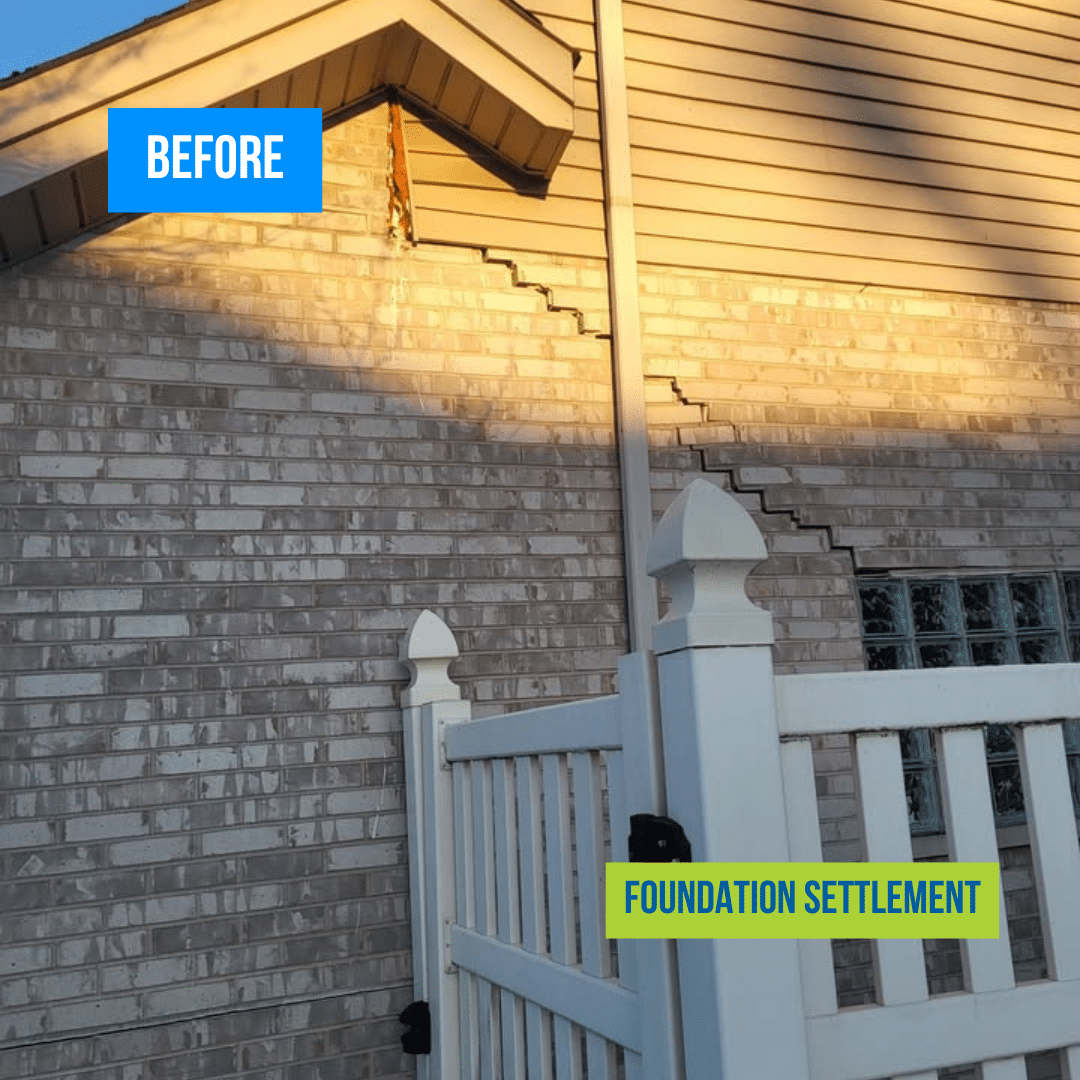
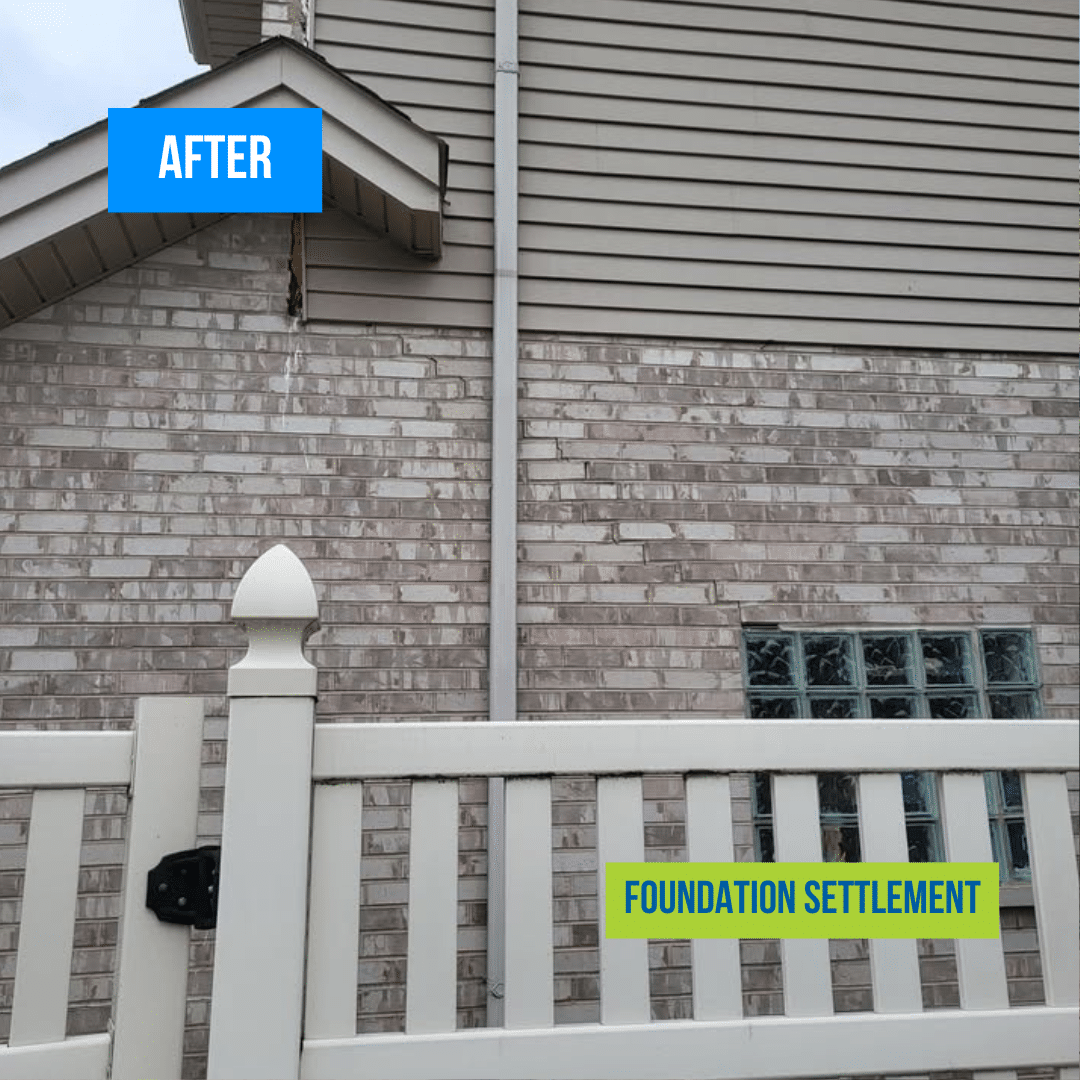
When a foundation begins to settle, the problem often starts with small warning signs. Cracks appear in the brickwork. Doors and windows become harder to open. Floors begin to slope. Over time, those symptoms can worsen as portions of the foundation lose support from the soil beneath them.
At Perma-Seal, we’ve spent more than 45 years helping homeowners throughout Chicago, the surrounding suburbs, and Northwest Indiana stabilize settling foundations using proven foundation piering systems. Whether you’re dealing with a sinking foundation, settlement cracks, or structural movement, our team can determine whether foundation piers are the right solution for your home.
When Are Foundation Piers Needed?
Foundation piers are typically recommended when a foundation has settled or continues to settle because the soil beneath it can no longer adequately support the weight of the structure.
Many homeowners first contact us after noticing:
- Stair-step cracks in brick or masonry
- Cracks in foundation walls
- Uneven or sloping floors
- Doors and windows that stick
- Gaps around windows, trim, or baseboards
- Chimneys separating from the home
- Portions of the foundation appearing to sink
One of the most common misconceptions we encounter is the belief that settlement has stopped simply because cracks haven’t changed recently. In reality, foundation movement can continue gradually over time.
Why Foundations Settle in Chicagoland
The soil conditions throughout Northern Illinois play a major role in foundation settlement. Many homes throughout Chicago and the surrounding suburbs are built on clay-rich soils. These soils expand when wet and contract when dry. Over time, these cycles can create voids beneath portions of a foundation, reducing support and allowing settlement to occur.
Our inspectors commonly find settlement associated with:
- Expansive clay soils
- Seasonal moisture changes
- Extended wet or dry periods
- Soil erosion
- Poor drainage around the foundation
- Improperly compacted fill soils
Settlement often develops gradually. What starts as a small crack may eventually become uneven floors, wall movement, or more significant structural concerns if the underlying issue is not addressed.
How Foundation Piering Works
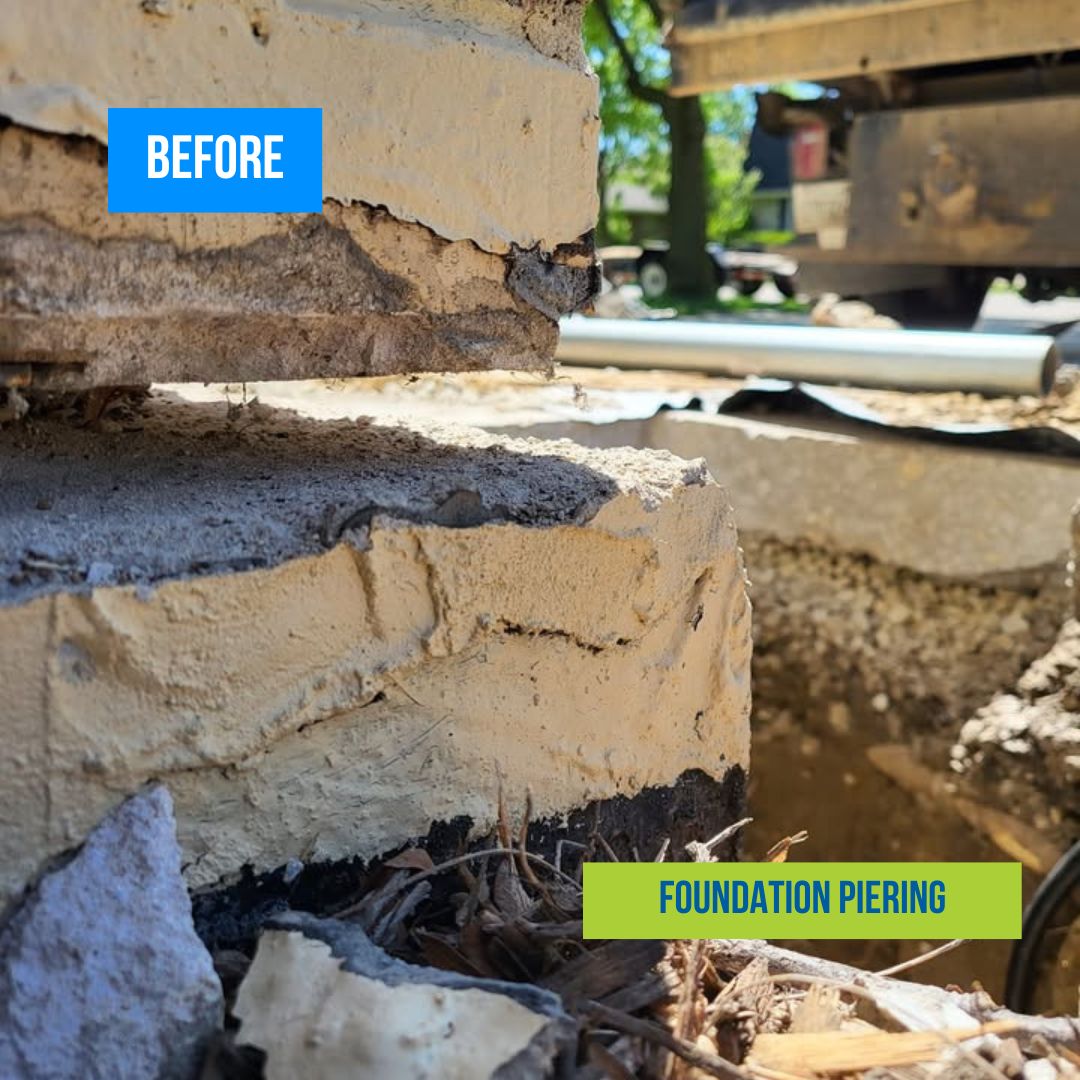
Foundation piering is designed to stabilize foundations by transferring the weight of the structure from unstable soils near the surface to deeper, load-bearing soils or bedrock.
The process generally includes:
- Excavating around the affected portion of the foundation.
- Installing engineered foundation brackets.
- Advancing steel piers into the ground until stable load-bearing material is reached.
- Transferring the weight of the structure onto the pier system.
- Stabilizing the foundation to help prevent further settlement.
In many situations, portions of the structure may also be lifted closer to their original positions, though the amount of lift varies depending on the home’s condition and the extent of settlement. The goal is not simply to raise the home. The primary goal is to stop further movement and restore long-term structural support.
Push Piers vs. Helical Piers
Not every settlement problem requires the same repair solution. At Perma-Seal, we use both push piers and helical piers based on the project’s structural requirements, soil conditions, and foundation design.
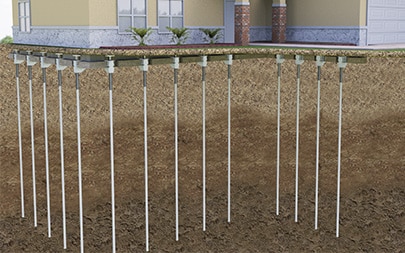
Push Piers
Push piers are hydraulically driven steel foundation piers that use the weight of your home as resistance during installation. Once they reach competent load-bearing soil or bedrock, they permanently transfer the weight of the foundation away from unstable surface soils. Push piers are one of the most common foundation settlement solutions we install throughout Chicago and Northwest Indiana because many homes in our area experience movement caused by expansive clay soils and seasonal moisture changes.
During our inspections, we often recommend push piers for homes where settlement has already occurred and portions of the foundation have dropped. In many cases, push piers not only stabilize the home but may also allow us to carefully lift sections of the foundation closer to their original position, helping improve cracks, uneven floors, and sticking doors or windows.
- Significant structural loads are present
- Settlement has already occurred
- Deep load-bearing soils are required
- Foundation lifting may be possible
Helical Piers
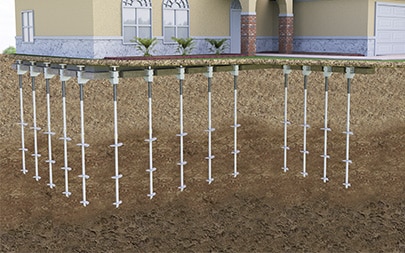
Helical piers resemble large steel screws that are mechanically rotated into the ground until they reach suitable bearing soils. Because they don’t rely on the weight of the structure during installation, they can often be used in situations where push piers are not the best option.
We’ve installed helical piers beneath existing homes, room additions, porches, chimneys, garages, and even new construction projects throughout the Chicago area. During the inspection, we’ll evaluate the structure, soil conditions, and loading requirements to determine whether a helical pier system is the better long-term solution.
- Structural loads are lighter
- Access conditions vary
- New construction support is needed
- Soil conditions favor helical installation
Do All Settlement Cracks Require Foundation Piers?
No. Not every foundation crack indicates a need for structural stabilization. Some cracks are cosmetic. Others may be related to normal concrete shrinkage, isolated waterproofing concerns, or minor movement that does not require piering. Click here to learn about the types of foundation cracks. During our inspections, we evaluate:
• Crack patterns
• Structural movement
• Settlement indicators
• Foundation elevation changes
• Soil conditions around the structure
Settlement often develops gradually. What starts as a small crack may eventually become uneven floors, wall movement, or more significant structural concerns if the underlying issue is not addressed.

Why Homeowners Throughout Chicagoland Trust Perma-Seal
For more than 45 years, Perma-Seal has helped homeowners throughout Chicago, the surrounding suburbs, and Northwest Indiana solve foundation settlement problems.
We’ve repaired thousands of foundation cracks, stabilized settling foundations, and helped homeowners understand whether movement is cosmetic, historical, or actively affecting the structure.
Our team understands the unique soil conditions found throughout Northern Illinois and has extensive experience diagnosing and repairing settlement-related foundation problems.
- Serving Chicagoland since 1979
- Over 500,000 homeowners helped
- Free foundation inspections
- Proven repair systems
- Transferable warranties on qualifying repairs



Schedule Your Free Foundation Piering Consultation
If you’ve noticed signs of foundation settlement or have been told your home may need foundation piers, don’t wait for the problem to worsen.
Contact Perma-Seal today to schedule a free inspection. Our specialists will determine whether foundation piering is necessary, explain your options, and help you protect your home’s long-term stability. Call 800-421-7325
Frequently Asked Questions
What causes foundation settlement in Chicago-area homes?
Foundation settlement in Chicago and NW Indiana is commonly caused by shifting soils, excessive moisture, poor drainage, or soil erosion beneath the foundation. Expansive clay soils, common throughout the Chicagoland area, expand when wet and shrink when dry, causing movement that can sink or settle foundations over time. Foundation piering addresses these issues by transferring the structure’s weight to stable, load-bearing soil or bedrock.
How do yo choose which pier system is right for my home?
One of the most common questions homeowners ask is whether they need push piers or helical piers. The answer depends entirely on the conditions beneath your home.
During every foundation inspection, our team evaluates:
- The type and weight of your foundation
- The amount of settlement that has occurred
- Soil conditions around the structure
- The depth of stable bearing soils
- Access around the home
- Whether lifting the foundation is possible or recommended
Rather than recommending the same system for every project, we select the repair method that provides the best long-term support for your specific home
How do foundation piers fix a settling foundation?
Foundation piers stabilize a settling foundation by bypassing weak or unstable surface soil and anchoring the structure to deeper, competent soil or bedrock. At Perma-Seal, steel push piers or helical piers are installed below the foundation and hydraulically driven or screwed into the ground. Once secure, the weight of the home is transferred to the piers, preventing further settlement and, in many cases, allowing the foundation to be lifted closer to its original level.
What is the difference between push piers and helical piers?
Push piers are hydraulically driven steel piers that rely on the structure’s weight to reach load-bearing soil or bedrock, making them ideal for heavier homes with significant settlement. Helical piers are screwed into the ground and are often used in areas with weaker soils or where access and load requirements differ. Perma-Seal determines the optimal pier type based on soil conditions, foundation design, and settlement severity.
Is foundation piering a permanent solution for settlement problems?
Yes. Foundation piering is considered one of the most permanent solutions for foundation settlement. Unlike temporary fixes such as mudjacking or slabjacking, piering systems are designed to provide long-term structural support by anchoring the foundation to stable soil. When properly installed by experienced professionals like Perma-Seal, foundation piers help prevent future settlement and protect your home’s structural integrity.
How do I know if my Chicago home needs foundation piering?
Common signs that your home may need foundation piering include stair-step cracks in brick or block walls, uneven or sloping floors, sticking doors or windows, and visible foundation settlement. If you notice these issues, it’s important to schedule a professional foundation inspection. Perma-Seal offers expert evaluations throughout Chicago and NW Indiana to determine whether foundation piering is the right solution for your property.