Basement Drainage System - Interior and Exterior
Our team at Perma-Seal offers professional basement drainage system installation services for Chicago and NW Indiana home and business owners.
There are different types of basement drainage systems available, each designed to address various moisture issues and prevent structural damage. Choosing the right type is important for effective basement or crawl space waterproofing.
A properly sized sump pump and back-up system is the heart of a properly designed and installed waterproofing system. Depending on the situation, our certified foundation consultant will assess your specific needs and recommend the best approach, including the process of installing the most suitable drainage system for your home. Please take some time to read about our drainage systems and benefits.
These drainage systems differ from our entire wall solutions in that they are placed in the path of the water to intercept it before it becomes a problem. When a drainage system is combined with our solutions, you can have a dry, healthy basement or crawl space environment.
Our Basement Drainage Solutions
Interior Drain Tile
An interior drain tile system is installed in a trench dug around the perimeter of the basement or crawl space floor. The trench is filled with gravel and rock to help filter out sediments and prevent the pipe from becoming clogged. The drain tile system consists of a perforated pipe with holes that allow water to enter from the surrounding ground. Using a half-pipe design or channel system efficiently collects and directs water, especially around corners of the basement or crawl space. The system is designed for easy access during maintenance and inspection, and a check valve is installed to prevent backflow. Water collected by the system is directed to a sump basin, which is sized to handle many gallons of water during heavy rainfall. After installation, the trench is backfilled (fill) with appropriate material to stabilize the pipes, and some block wall cores may be filled with concrete, requiring special consideration during installation. Multiple pipes or connections can be used depending on the basement layout to ensure effective drainage and long-term protection.
Exterior Drain Tile
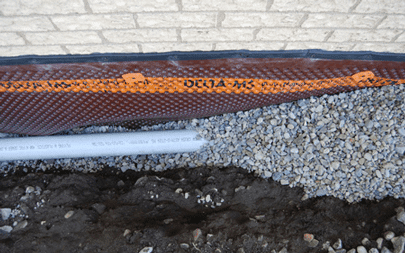
If your basement is finished or you prefer to have the repair done from the outside of your home, our exterior drain tile system is your best choice. Exterior drain tile systems are especially important for homes with block wall foundations, as these walls can be vulnerable to water intrusion. The cores of block walls may be filled with concrete, which requires special attention during the installation of exterior drainage systems to ensure proper water flow and protection. Not only will the system divert any excess water away from your home, but our exterior wall solutions will help protect your foundation walls from the elements and will help keep cracks in the foundation from leaking in the future.
HydraTrack™
HydraTrack™ is an interior basement drainage system designed to collect water entering around the cove joint and foundation walls before it spreads across the basement floor. The system is installed along the foundation footing and directs collected water to the sump pump for removal.
Its raised wall flange helps capture water draining down the foundation wall, and it can also collect water released from concrete block walls. Because HydraTrack™ sits on the footing, installation typically requires less excavation than a traditional interior drain tile system. Once installed, the perimeter is restored with new concrete, leaving most of the system concealed beneath the basement floor.

Spillover
If your spillover joint (between the top of the foundation and bottom frame of the house) is below grade, water can enter over the top of the wall anytime it rains hard. The exterior of your home (brick, vinyl, stone or aluminum) is not designed to be buried underground. If lowering the grade is not feasible, a permanent repair should include an appropriate waterproof membrane and a drainage system.
If you have noticed water getting into your basement or crawl space through the spillover joint, you will likely see water stains on the walls leading to puddles on the floor. This moisture can damage anything you have stored in the basement, and it can also lead to the development of dangerous mold and bacteria. Keep in mind, the EPA states that over 50% of the air you breathe upstairs originates from the lower level of the home, whether it’s a basement or a crawl space.
Basement Floor Considerations
When planning a basement waterproofing system, the design and condition of your basement floor are essential factors in keeping your space dry. A properly sloped basement floor helps direct water toward a drain tile system or sump pit, allowing water to flow freely and preventing standing water from accumulating. Choosing the right flooring material also plays a role in the effectiveness of your drainage system. For example, a smooth, well-sealed concrete floor can help block water intrusion, while cracks or uneven surfaces may create pathways for leaks. Ensuring your basement floor is in good condition, with a proper slope and minimal cracks, is a key step in maximizing the efficiency of your basement waterproofing and drainage systems.
Basement Walls and Water Management
Basement walls are a critical line of defense in any basement waterproofing system. Whether your walls are constructed from block or poured concrete, they can be vulnerable to leaks and cracks, especially when exposed to high groundwater levels or increased hydrostatic pressure. To effectively manage water, it’s important to install a drainage system that collects water from the wall surface and channels it away from your foundation. Footing drains, installed at the base of the basement walls, work alongside drain tile systems to collect water and direct it to a sump pump or other drainage solution. By proactively managing water around your basement walls, you can help prevent leaks, reduce the risk of mold growth, and keep your basement dry and healthy for years to come.
Importance of Sump Pumps
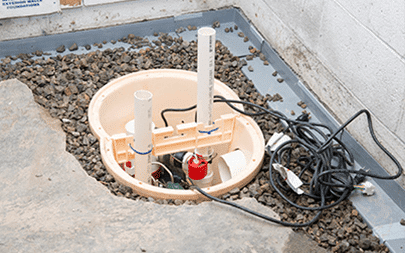
A sump pump is the heart of any highly efficient basement waterproofing system. Installed in a sump pit at the lowest point of the basement, the sump pump’s job is to remove excess water that collects from the drainage system, preventing standing water and reducing the risk of flooding. For homeowners, having a reliable sump pump means peace of mind, knowing that even during heavy rains or high groundwater events, your basement is protected. When choosing a sump pump, consider the size of your basement, the volume of water that needs to be managed, and the type of pump best suited for your needs. Investing in a quality sump pump is a crucial step in safeguarding your basement and your home from water damage.
Drainage System Maintenance
To keep your basement drainage system working properly, regular maintenance is essential. Over time, debris, sediment, and clogs can build up in the drain tile system, sump pump, or other drainage components, reducing their efficiency and increasing the risk of leaks. Homeowners should routinely check gutters and downspouts to ensure they are clear and directing water away from the foundation. It’s also important to inspect the drain tile system for blockages and test the sump pump to confirm it’s operating as it should. By staying proactive with maintenance, you can extend the life of your basement drainage system, prevent costly repairs, and keep your basement dry and protected.
Cost and Value of Basement Drainage
The investment in a basement drainage system can vary depending on the size of your basement, the type of system installed, and the materials used. While the upfront cost may seem significant, the long-term value is substantial. A well-installed drainage system helps prevent mold, protects your home from water damage, and can even increase your property’s value by making the basement a usable, dry space. For homeowners, this means not only protecting your investment but also gaining peace of mind and additional living or storage space. When weighing the cost, consider the potential savings on future repairs and the added value to your home—a high-quality basement drainage system is a smart, protective investment.
Why Choose Perma-Seal?



Contact Us For Basement Drainage Systems in Chicago and NW Indiana
If you’d like to schedule a consultation with a member of our team to discuss a basement drainage system for your basement, please contact us today.
Our Reviews
Basement Waterproofing
Rosalind Thurston
Basement Waterproofing
Jesse- very thorough and professsional.Answered all our questions and gave us good options to consider.
Mike V
Sump Pump Replacement
Anthony Modica came out to replace my pump system. I liked how well he was equipped with knowledge on pumps and he gave me options for replacements.
Emilio