Sagging Floor Repair in Chicago
Sagging floors are a common problem in Chicago and the surrounding areas. Sagging can begin when the support beams or joists weaken or deteriorate, leading to visible signs of failure or unevenness. Learn what causes the floors in your home to sag and how you can identify the causes of these issues in your home.
What Are Sagging Floors?
Sagging floors refer to a condition where the floorboards or joists in a building start to sink or slope downward, resulting in an uneven or sloping floor surface. This can happen in both old and new buildings and is typically a sign of underlying structural problems. Areas of the floor that feel soft, spongy, or springy underfoot can indicate hidden damage or decay in the support elements and should be inspected promptly.
Maintaining your home’s flooring system—which includes beams, joists, and subflooring—is essential to prevent sagging and ensure the stability of your floors. Sagging floors can be proof of underlying structural or moisture issues that must be addressed. If you notice a significant and progressive sagging in your floors, consult a professional at Perma Seal who can assess the situation and provide appropriate guidance. We offer professional foundation repair and basement waterproofing solutions for Chicago area home and business owners that can help you fix sagging floors permanently.
How Do I Know I Have Sagging Floors?
Signs of sagging floors can vary depending on the severity and underlying cause of the issue. Some of these signs can also be attributed to other problems, so reaching out to a professional to provide appropriate recommendations is your best bet. Here are some common signs to look out for:
- Uneven or sloping floor surface
- Doors and windows sticking or not closing properly
- Cracks in walls or ceilings
- Bouncing or sagging feeling
- Separation between floorboards or tiles
- Warped or cupped flooring
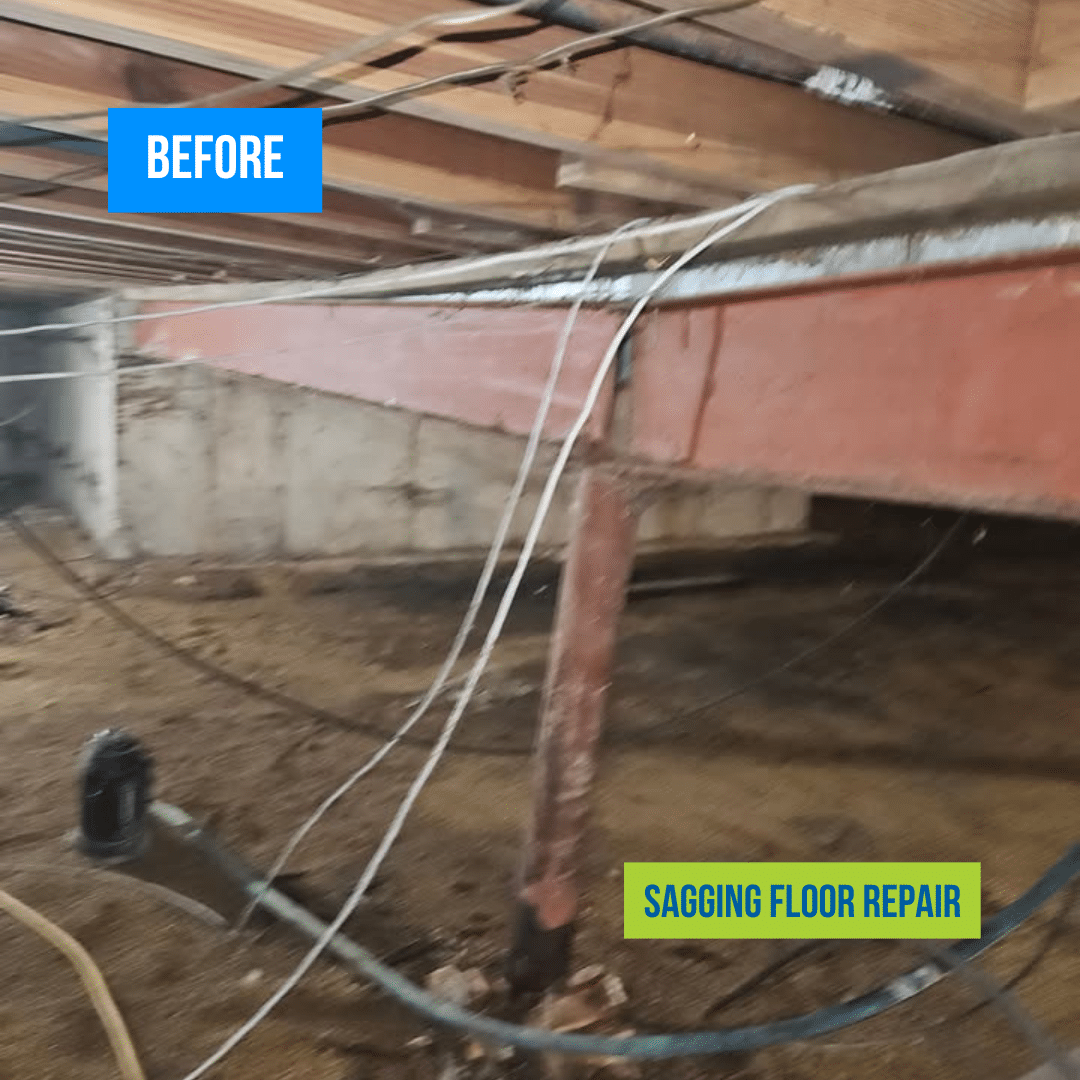
- Visible signs of damage to the foundation or support beams
- Visible floor joist damage, such as cracks, rot, or deterioration in the joists
- Standing water in crawl spaces or basements
What Causes Sagging Floors in Chicago?
The most common causes of sagging floors involve various factors that affect the structural integrity of your home. Changes in the ground beneath a home, such as soil movement or moisture changes, can cause the foundation to shift and put pressure on the home’s foundation, leading to uneven or sagging floors. Water leaks and standing water can damage wood, wooden beams, and other structural members, resulting in rot, warping, and loss of support. Other pests, such as termites and carpenter ants, can infest and weaken wooden beams and floor joists, further contributing to sagging. It’s important to note that sagging floors often result from a combination of these factors rather than a single cause. Identifying the specific cause of sagging floors requires a professional assessment from a Perma Seal expert who can evaluate the situation and provide appropriate recommendations. Causes of sagging floors include:
- Foundation issues
- Structural damage
- Poor construction or design
- Excessive weight or overloading
- Age and wear
- Water or moisture damage
How Can I Fix Sagging Floors?
Prevention and Maintenance
Preventing a sagging floor and maintaining the structural integrity of your home’s flooring system starts with regular inspections and proactive care. By identifying potential issues early—such as damaged floor joists, poor structural design, or shifting soil beneath your house—you can fix sagging floors before they become a major problem.
Routine maintenance is key to avoiding sagging floor joists and ensuring your home’s foundation remains stable. Homeowners should regularly check for signs of water damage, pest activity, and high humidity in the crawl space, as these factors can all contribute to uneven floors and further damage. Addressing plumbing leaks promptly, maintaining proper drainage around the foundation, and avoiding excessive weight on your floors are all important steps in preventing structural issues.
It’s also essential to monitor the condition of wooden components like beams and joists. If you notice any signs of rot, decay, or pest damage, take action immediately to prevent the problem from worsening. In older homes, be especially vigilant—poor structural design or outdated building methods can make floors more susceptible to sagging and other floor issues. Regular inspections can help you spot early warning signs, such as cracks in walls, sloping floors, or doors and windows that stick.
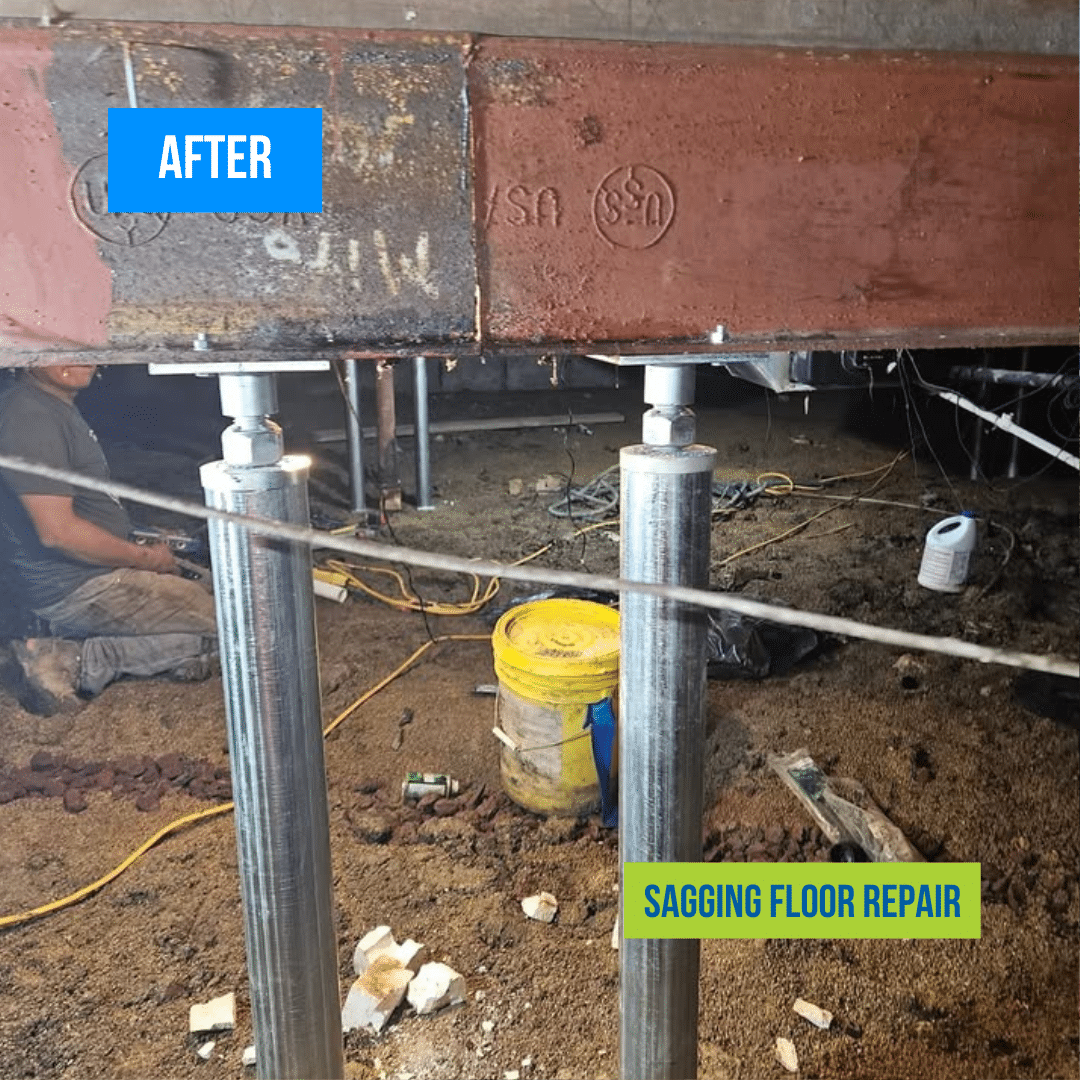
When making repairs or renovations, always use high-quality materials and follow best practices for construction. Reinforcing your floor system with steel beams or other durable supports can help maintain stability and prevent future sagging. Remember, the repair process for sagging floors is complex and should be handled by professionals who can assess the underlying cause and recommend the best course of action.
By staying proactive and addressing underlying issues—whether it’s foundation settlement, water damage, or excessive weight—you can help maintain the safety and stability of your home. Watch for signs like uneven floors, cracks, or difficulty opening doors and windows, and don’t hesitate to seek a professional assessment if you suspect a problem.
Ultimately, prioritizing prevention and maintenance not only helps fix sagging floors but also protects your investment and ensures the long-term stability of your property. By taking these steps, you can avoid costly repairs, maintain the structural support your home needs, and enjoy peace of mind knowing your floors are safe and secure.
Contact Us To Fix Your Sagging Floor In Chicago and NW Indiana
If you are looking for a trusted foundation repair company to help you fix your sagging floors in the Chicago area we can help. Our team at Perma-Seal offers professional foundation repair services using our various solutions designed for your home or business. Contact our experts today by calling 800-421-7325 or click the button below to fill out our online contact form.
Frequently Asked Questions
Why are sagging floors so common in Chicago homes?
Can sagging floors be dangerous?
They can be. Mild sagging might just feel uneven, but progressive sagging can signal structural weakening, rotting wood, or foundation movement. If the floor feels soft, bouncy, or continues to sink, it’s important to have it inspected so the issue doesn’t worsen.
What are the first signs of sagging floors?
Early warning signs often show up subtly, including:
- Floors that feel uneven or slope toward one side
- A bouncing or “springy” feeling underfoot
- Doors or windows sticking
- Cracks forming along interior walls or ceilings
If you’re noticing any of these together, sagging may be developing beneath the surface.
Are sagging floors always caused by foundation problems?
Not always. Foundation settlement is a big cause in Chicago, but sagging floors can also come from:
- Rotting or cracked floor joists
- Water damage from plumbing leaks
- Poor original construction or undersized supports
- Excessive weight (like heavy stone flooring or oversized furniture)
Often it’s a combination, which is why a professional evaluation matters.
How does water damage lead to sagging floors?
Wooden joists and beams rely on staying dry to stay strong. When crawl spaces or basements have standing water, leaks, or high humidity, the wood can rot or warp. Over time, that weakens support and allows floors to dip.
Will sagging floors keep getting worse if I ignore them?
Yes. Structural issues rarely stabilize on their own. As supports weaken or the foundation continues settling, sagging can spread and become more expensive to repair. Catching it early helps protect your home and budget.