
If you live in the Chicagoland area, you already know how brutal winters can be. From icy sidewalks to snow-covered driveways, cold weather brings plenty of visible challenges. But one of the most damaging effects of winter often happens quietly, below your feet: foundation and concrete damage caused by the freeze-thaw cycle.
Many affected areas, such as driveways, sidewalks, foundation walls, and basement floors, are especially vulnerable to freeze-thaw cycles and should be monitored for signs of damage.
At Perma-Seal, we help homeowners every winter season who are experiencing new or worsening cracks in their foundation walls, garage slabs, sidewalks, and driveways—all thanks to one powerful natural force: expanding ice.
Learn more about what causes foundation cracks in Chicago here.
What Is the Freeze-Thaw Cycle?
In simple terms, the freeze-thaw cycle occurs when moisture in the ground or within porous building materials like concrete freezes and expands, then thaws and contracts, over and over again.
- Water expands by about 9% when it freezes.
- As temperatures fluctuate above and below freezing (32°F), this expansion puts pressure on materials like concrete and masonry.
- The constant movement weakens surfaces, widens cracks, and causes long-term structural damage.
When colder temperatures set in, water freezes inside cracks and pores. When the temperature drops below freezing, the water expands, exerting pressure on the surrounding material. As the temperature rises during the day, the ice thaws and contracts, but repeated cycles of water freezing and thawing lead to the widening of cracks and further structural deterioration.

How Freeze-Thaw Cycles Affect Your Foundation
1. Cracks in Foundation Walls and Floors
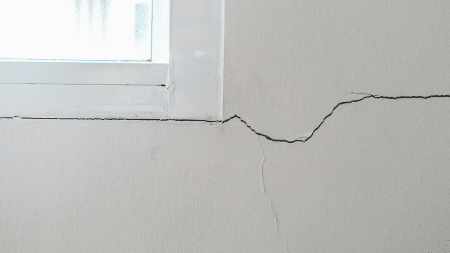
When moisture enters tiny cracks in your foundation walls or basement floor, it may freeze overnight and expand. This repeated stress widens cracks, eventually allowing more water to seep in, leading to:
- Vertical and horizontal cracks in poured concrete walls
- Stair-step cracks in block foundations
- Heaving or cracking in basement floors
- Diagonal cracks that are wider at one end
Diagonal cracks and vertical cracks can be signs of uneven settling or foundation movement, and may be accompanied by symptoms like sticking doors that become difficult to open or close.
These cracks aren’t just cosmetic. Over time, they can lead to water intrusion, structural instability, and mold growth. Learn more about the types of foundation cracks and what they mean for your home.
2. Hydrostatic Pressure Increases
During freeze-thaw cycles, soil around your foundation expands with frozen water, then contracts when it thaws. This constant movement builds hydrostatic pressure, pushing against the walls of your foundation. If left unchecked, this pressure can cause foundation movement, which may result in uneven floors, sticking doors, and other signs of foundation problems. If your foundation isn’t reinforced or waterproofed, that pressure can lead to bowing walls, leaks, or worse—foundation failure.
3. Concrete Surface Damage
Your driveway, sidewalk, patio, or garage slab can suffer too. When water seeps into concrete joints or surface pores, the freeze-thaw cycle leads to:
- Flaking or spalling of the concrete surface. The top layer of concrete is particularly susceptible to scaling and deterioration from freeze-thaw cycles.
- Cracking or sinking slabs
- Trip hazards and safety issues
- Accelerated deterioration, especially if salt is used for de-icing
Warning Signs to Watch For This Winter
If you’re concerned about your home’s foundation or concrete surfaces during the winter months, keep an eye out for these red flags:
- New or widening cracks after a cold snap
- Water leaking into your basement after a freeze-thaw cycle
- Doors or windows that suddenly stick
- Cold or damp spots on basement walls
- Concrete surfaces that appear lifted, sunken, or broken
- Visible gaps between walls and floors or around baseboards
Why You Shouldn’t Wait Until Spring
Foundation and concrete issues do not hibernate. Waiting until spring can allow damage to worsen—especially if snowmelt or rain saturates the soil around your foundation. Delaying foundation repairs can result in more extensive foundation problems and water damage, making timely action critical.
At Perma-Seal, we can inspect your foundation year-round, even during winter, and provide solutions that prevent further damage before it gets out of hand. Some foundation repairs can even be completed during the colder months, depending on conditions. Seeking professional help from a structural engineer ensures an accurate diagnosis and effective solutions, helping to address issues before they escalate.
Preventing Freeze-Thaw Damage
Preventing freeze-thaw damage is essential for protecting your home’s foundation and avoiding significant structural damage. The freeze-thaw process can put tremendous stress on foundation walls, especially during repeated thaw cycles when temperatures fluctuate above and below the freezing point. Over time, this can lead to cracks, water intrusion, and even costly repairs if left unchecked.
To safeguard your foundation against freeze-thaw cycles, start by ensuring your gutters and downspouts are clean and direct water away from your home’s walls. Proper drainage helps keep the surrounding soil from becoming saturated, reducing the risk of water seeping into the foundation where it can freeze and expand. Sealing any minor cracks as soon as they appear can also prevent more moisture from entering and causing further freeze-thaw damage.
It’s also wise to inspect your foundation regularly, especially before and after the winter months. Look for new cracks, uneven floors, or signs of movement in your foundation walls. Early detection of potential issues can make a big difference in preventing structural damage and avoiding costly repairs down the line.
For added peace of mind, consider scheduling a professional evaluation. Experts can identify hidden risks, recommend high quality concrete repairs, and suggest solutions tailored to your home’s unique needs. By taking these proactive steps, you can help your foundation withstand the harsh effects of the freeze-thaw process and keep your home safe and stable for years to come.
How Perma-Seal Can Help
We specialize in protecting your home against freeze-thaw damage with solutions tailored to Chicago-area homes, including safeguarding your home’s foundation from the harmful effects of freeze-thaw cycles. Our services address issues that can impact your house, such as:
Poor drainage and ice dams can contribute to foundation and concrete problems around the house, so we focus on preventing these issues to maintain the integrity of your home’s foundation.
Whether your concrete has cracked, your foundation walls are bowing, or you just want peace of mind before more snow arrives, we’ve got you covered.
Don’t Let Winter Damage Your Foundation
The freeze-thaw cycle may be a fact of life in the Midwest—but foundation damage doesn’t have to be. If you suspect your home is suffering from winter-related movement, cracks, or leaks, contact Perma-Seal today for a free professional evaluation.
Protect your biggest investment now, so it stands strong through every season.