
When it’s time to upgrade your attic insulation, one question often comes up: Should you use blown-in or batt insulation? Both help improve energy efficiency and home comfort. Still, the differences between the two are significant, especially in a climate like Chicago’s, where extreme temperature swings and older housing stock demand smart solutions.
Poor attic insulation can allow hot air to build up in your attic during Chicago’s hot summers, raising indoor temperatures, increasing cooling costs, and reducing overall comfort.
In this article, we’ll compare blown-in vs. batt insulation, explain which is best for attic insulation in Chicago, and share why Perma-Seal recommends blown-in insulation for long-term performance and energy savings.
What's the Difference Between Blown-In and Batt Insulation?
Blown-In Insulation
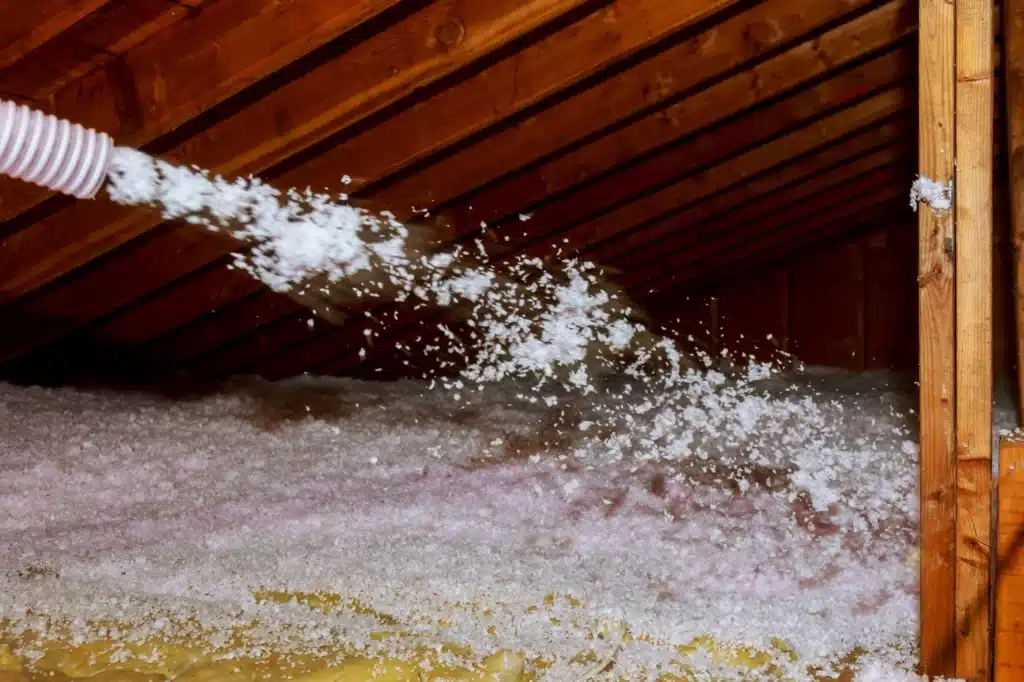
Blown-in insulation, also called loose-fill, is made of small particles (typically cellulose or fiberglass) that are blown into place using a machine. This method fills every corner and crevice, making it ideal for irregularly shaped or obstructed attics. Polyurethane foam is another insulation material used for its superior thermal performance and ability to reduce air leakage.
Batt Insulation
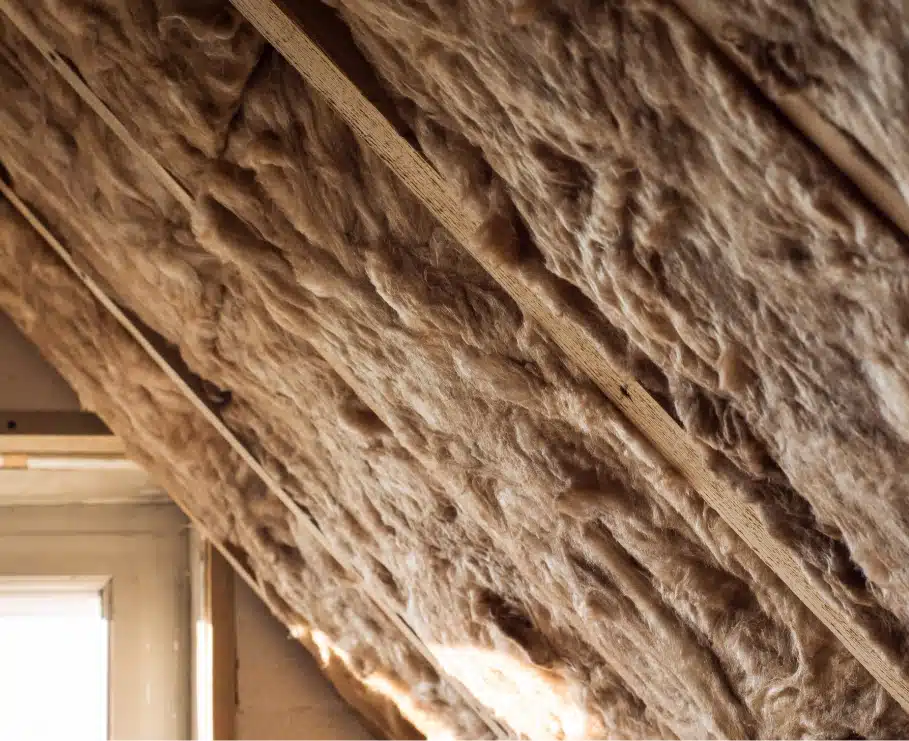
Batt insulation comes in pre-cut rolls or panels, most commonly as fiberglass batts or mineral wool. These are manually installed between joists and studs. While often more affordable upfront, batt insulation can leave gaps and compressed spots, reducing its thermal performance. Foam boards are another common insulation material, known for their rigidity and high R-value, and are often used in wall and attic applications.
Thermal Performance and R-Value
While both types can offer similar R-values per inch on paper, it’s important to understand that R-value measures an insulation material’s resistance to heat flow; the higher the R-value, the better the thermal resistance. Materials with high insulating value and high thermal resistance are preferred for their superior thermal performance, which is crucial for optimizing energy efficiency and indoor comfort. Blown-in insulation generally performs better in real-world conditions because it forms a seamless, gap-free barrier that resists air movement and retains heat more effectively, especially during Chicago winters.
Key point: Batt insulation can become less effective when compressed or improperly installed, while blown-in insulation provides good thermal resistance and high insulating properties. This helps reduce heat flow and maintain indoor comfort. The material insulates by creating a barrier to heat flow, and this superior thermal performance can lead to lower energy bills.
Air Sealing and Coverage
Blown-in insulation excels at filling in the gaps around joists, pipes, and other attic obstructions. It is especially effective at filling wall cavities and other hard-to-reach spaces. Blown-in cellulose insulation is densely packed, which enhances its ability to block air movement and improve soundproofing. This helps reduce air leakage, one of the top causes of heat loss in homes. Batt insulation requires precise cutting and placement; any misalignment allows air to escape, reducing its performance.
Best Insulation Option For Air Sealing: Blown-in insulation by far.
Cost vs. Long-Term ROI
Batt insulation is usually cheaper to install, especially for DIY applications, and is often considered one of the most cost effective insulation options for homeowners. However, its performance can degrade quickly, leading to higher energy bills and uncomfortable rooms. Blown-in insulation may require a higher upfront investment due to the need for professional equipment and installation, but its cost effectiveness becomes clear over time as it delivers long-term energy savings and reduces overall energy usage. Insulation costs are often calculated per square foot, which helps homeowners budget and plan their projects more accurately.
Investing in blown-in insulation saves money over time by lowering utility bills and minimizing additional weatherization expenses.
Long-term winner: Blown-in insulation.
When to Use Each Type
| Condition | Best Insulation Type |
|---|---|
| Irregular attic layout | Blown-In |
| DIY installation | Batt |
| Maximum air sealing needed | Blown-In |
| Budget-focused short-term fix | Batt |
| Chicago climate performance | Blown-In |
Why We Use Blown-In Insulation for Chicago Homes
At Perma-Seal, we’ve worked with thousands of homes across Chicagoland, and the reality is clear: blown-in insulation is better suited to our region’s unique challenges, including identifying and sealing air leaks with blower door testing.
Blown-in insulation is one of several insulation options available for attics. It is especially ideal for existing homes and existing buildings, as it can be added during renovations to improve home insulation and overall energy efficiency. In Chicago, winters can plunge below zero, and summers bring intense humidity. Homes here need insulation that maintains consistent temperatures, reduces heat loss, and prevents moisture intrusion. Blown-in insulation meets these needs better than batt insulation in nearly every case.
We use blown-in insulation because:
- It provides full coverage, eliminating cold spots and hot zones.
- It improves energy efficiency by creating a tighter thermal envelope.
- It integrates easily with air sealing upgrades, reducing drafts and preventing ice dams.
- It’s ideal for retrofits in older Chicago homes with complex attic spaces.
Why Blown-in Insulation isn't a DIY Job
Blown-in insulation is typically installed by professional installation teams to ensure optimal performance and safety. In addition to blown-in insulation, rigid foam boards and reflective insulation are also used in certain applications, such as exterior walls or in climate zones with specific requirements, to maximize thermal performance and moisture control.
When installed by our trained professionals, blown-in insulation not only keeps your home comfortable but also reduces your utility bills, extends the life of your HVAC system, and increases your home’s resale value.
Let Perma-Seal Upgrade Your Attic the Right Way
Whether you’re dealing with cold upstairs rooms, rising energy bills, or uneven temperatures, poor attic insulation could be the problem. At Perma-Seal, we specialize in energy-efficient attic insulation upgrades designed for the Chicago climate.
Homeowners may qualify for financial incentives or tax credits, such as rebates or federal programs, when upgrading their insulation, making the investment more affordable. Some insulation options, like cellulose insulation, are made from recycled materials, providing an environmentally friendly and cost-effective choice.
Our team can assess your current insulation, recommend the right solution, and professionally install blown-in insulation that works year-round. We also offer air sealing, attic ventilation corrections, and moisture control for total attic protection.