

Foundation cracks can be a homeowner’s worst nightmare, and the temptation to fix these issues yourself is understandable, especially with the availability of DIY foundation crack repair kits. However, not all cracks are the same—understanding the difference between various types of cracks is crucial for proper diagnosis and repair. Concrete cracks, if not addressed promptly, can lead to serious structural issues and water damage. While these kits may seem cost-effective, they often fail to provide a long-term fix and may compromise your foundation’s integrity. Here’s why DIY foundation crack repair doesn’t work and why contacting a professional like our team at Perma-Seal is your best option.
Introduction to Foundation Issues
The Limitations of DIY Foundation Crack Repair Kits
Superficial Repairs: DIY foundation crack repair kits are designed for minor surface-level cracks and often fail to address the underlying issues causing them. Before any repair, cracks must be thoroughly cleaned of debris such as dust, loose concrete, paint, or old filler to ensure proper adhesion. These kits typically use epoxy or polyurethane in a tube form, which the user must inject into the crack using injection ports to deliver the repair material deep into the crack. However, improper installation of ports or poor injection technique can result in cracks not being completely filled, leading to incomplete repairs. Polyurethane foam expands to fill the entire crack, but DIY kits may not achieve full expansion if not used correctly. A strong bond between the repair material and the existing concrete is essential for long-term success, but DIY methods often fall short, resulting in repairs that are not properly sealed against water and gas intrusion. Some kits include a patch to cover the repaired area, but this may not restore the structural strength of the foundation.
Lack of Proper Assessment:One significant drawback of DIY wall crack repair is the need for a professional assessment. Foundation wall cracks can result from various issues, including soil movement, water pressure, or structural weaknesses. Without the expertise to accurately diagnose the cause of the crack, any repair attempt is likely only temporary.
Potential for More Damage:Improper use of repair material can lead to further damage. For instance, injecting epoxy into a crack that is still moving or exposed to moisture can create a barrier that traps water within the foundation, leading to more severe problems like mold growth or structural weakening.
Types of Foundation Cracks
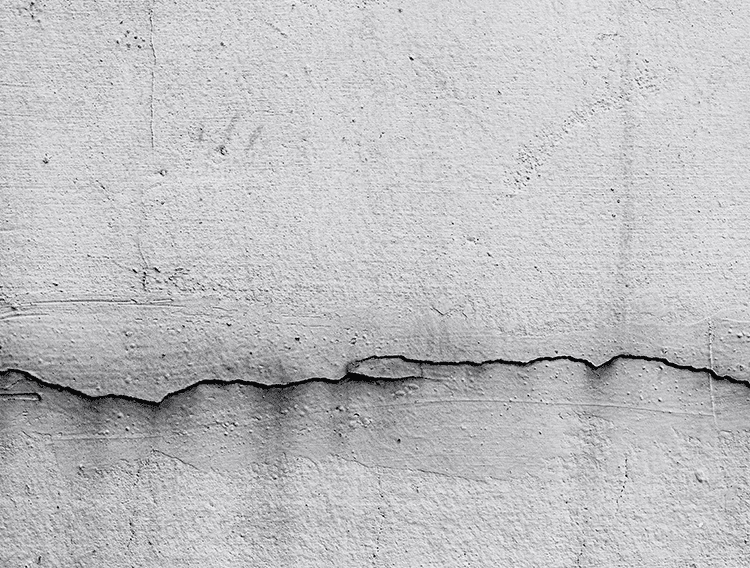
Not all foundation cracks are created equal, and understanding the type of crack in your foundation is key to determining the right repair approach. Horizontal cracks are often the most serious, as they can signal significant structural issues caused by soil pressure or water damage pressing against your foundation walls. These cracks can lead to major problems if not repaired promptly. Vertical cracks, on the other hand, are typically the result of concrete shrinkage or normal settlement and are usually less severe, though they still require attention to prevent water intrusion. Diagonal cracks often indicate soil movement or shifting in the foundation, and their presence can be a sign that your home is experiencing uneven settling. For minor cracks, a caulk gun and sealant might provide a temporary fix, but more substantial cracks—especially horizontal or expanding ones—often require professional repair methods like epoxy injection to restore the wall’s strength and prevent further damage. Recognizing the type and severity of your foundation cracks is the first step toward effective repair and long-term protection.
Why Professional Crack Repair is the Best Solution
Comprehensive Inspection:Our team begins with a thorough inspection to determine the cause of the crack. This assessment is crucial in developing a repair plan that addresses the symptoms and the underlying issues. A comprehensive inspection also helps protect the overall structure of the home by identifying potential risks to its stability.
Long-Lasting Solutions:
Professional crack repair involves more than just filling the crack. It includes stabilizing the foundation, addressing drainage issues, and ensuring the repair is durable. This approach not only fixes the existing crack but also prevents future problems such as water seepage or bowed walls. Professional repairs provide a complete solution that addresses both the crack and its underlying causes for lasting protection.
Specialized Techniques and Materials: Our team at Perma-Seal uses high-grade materials and advanced techniques unavailable in DIY kits. These materials are designed to withstand the pressures that caused the crack, ensuring a long-lasting repair. Repairing cracks with the right materials and methods is essential for effective results. In addition, professionals reinforce the foundation to ensure long-term stability and prevent further movement.
Understanding the Causes of Foundation Cracks
Various factors, including soil settlement, hydrostatic pressure, seasonal changes, and structural stress from water-saturated or clay-rich soils, can cause foundation cracks. Shrinkage cracks are a common type of non-structural crack that occur in concrete foundations as the material cures and dries. Understanding the cause is critical to selecting the right repair method for different types of foundations. For more detailed information on the causes of foundation cracks, click the button below.
The Risks of Wall Cracks
Fixing wall cracks promptly is crucial, as they are often a visible sign of foundation issues. While small cracks might seem insignificant, they can indicate more serious structural problems. Wall cracks can also lead to leaking water, which may cause basement leaks, moisture issues, and further structural damage. Ignoring these cracks or attempting a DIY repair can lead to more extensive damage over time, potentially compromising the safety of your home.
Cracks can also allow radon gas to enter the home, posing additional health risks.
When to Call a Professional
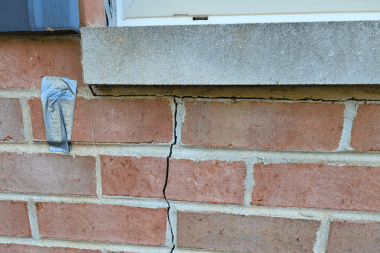
While some small foundation cracks might seem manageable with a DIY foundation crack repair kit, there are clear signs that it’s time to call in a professional. If you notice foundation cracks that are wider than 1/4 inch, cracks that are growing over time, or any signs of structural issues such as bowing walls, soil gases, or water leaks, it’s crucial to seek expert help. Professionals have the experience and tools to assess the underlying cause of the crack and can offer long lasting repair solutions, such as polyurethane foam injection, that go beyond surface fixes. Attempting to repair significant cracks on your own can lead to incomplete repairs and may even make the problem worse. A qualified contractor can determine the best approach to restore your foundation’s integrity and help prevent future cracks from forming. Don’t take chances with your home’s safety—when in doubt, trust a professional to ensure your foundation is properly repaired.
Preventing Future Cracks
Taking steps to prevent future cracks is essential for maintaining a strong, healthy foundation. One of the most effective ways to protect your foundation is by ensuring proper drainage around your home, which helps prevent water from pooling near the foundation and causing soil erosion or pressure that can lead to cracks. Regular inspection and maintenance of your foundation walls can help you catch small issues before they become major repairs. For minor cracks, using a foundation crack repair kit can be a helpful first line of defense, but consulting a professional is always recommended for a thorough solution. Addressing underlying issues such as poor grading, soil movement, or inadequate waterproofing can also go a long way in preventing cracks from forming. By staying proactive and investing in regular maintenance, homeowners can protect their foundation, avoid costly repairs, and ensure their home remains safe and secure for years to come.
Key Takeaways: Trust a Professional for Foundation Crack Repair
While DIY foundation crack repair kits may offer a quick fix, they often do not provide a long-term solution. Foundation issues are complex and require a professional assessment to ensure the repair is effective and lasting. Investing in professional crack repair protects your home and saves you from costly repairs.
Contact our team today for more information on professional crack repair and to schedule a foundation inspection.