
If your driveway, sidewalk, or patio always seems a little more uneven after winter, it is not your imagination. As the ground freezes and then thaws, the soil under your concrete is constantly shifting. By the time spring arrives in Chicagoland, that movement can leave you with slabs that are cracked, sunken, or downright unsafe. This article will explain how thawing ground causes uneven concrete.
and what you can do about it.
At Perma-Seal, we see this pattern every year. The freeze–thaw cycle beats up the soil and the concrete, and the damage often shows up as sinking or uneven concrete in late winter and early spring.
Let’s look at what is happening under the surface and how we can fix it without tearing everything out and starting over.
What Happens When the Ground Freezes and Thaws?
Concrete does not float in space. It depends on the soil underneath it for support. That soil changes a lot throughout a Chicago winter.
When temperatures drop below freezing:
- Water in the soil and in the tiny pores of concrete freezes and expands
- That expansion pushes on both the soil and the concrete above it
When temperatures rise again:
- The ice thaws and contracts
- Soil becomes softer, looser, and in some cases, washes out with melting snow and rain
The curing of concrete involves a chemical reaction called hydration, which can be slowed or disrupted by freezing temperatures. This disruption can lead to surface damage or cracks in the concrete.
Repeat this cycle dozens of times in a season, and you end up with soil that is no longer packed tightly under your slabs. The support that used to keep the concrete level is now uneven, weak, or missing in spots.

How Thawing Ground Leads to Uneven Concrete
Most of the visible problems show up as the ground is thawing, not during the coldest days. This is because soil movement caused by freeze-thaw cycles shifts the ground beneath concrete surfaces, leading to unevenness, sinking, or cracking. Here is why.
1. Soft, Saturated Soil Can No Longer Hold the Slab
Once frozen soil thaws, it often turns into a soft, saturated mess. The structure of the soil is weakened, reducing its ability to support the concrete slab. If that soil was supporting a section of your sidewalk or driveway, it may start to:
- Settle or compress under weight
- Shift downhill toward low spots
- Lose volume as water moves through it
The result is a slab that drops or tilts, creating low spots and trip hazards.
2. Voids Open Up Under the Concrete
As water moves through thawed soil, it can carry fine particles away and leave voids beneath the concrete. From the surface, everything may look fine at first, but vehicles, foot traffic, and lawn equipment eventually cause:
- Corners to break off
- Panels to crack through the middle
- Sections to suddenly sink into the empty space below
That is when you notice a sharp lip or uneven joint that was not there last season.
3. Cracks Grow as Concrete Expands and Contracts
Concrete itself is porous. Moisture gets into hairline cracks, freezes, and expands. That expansion slowly widens the cracks. When the slab is sitting on soil that is also moving, different sections of concrete can rise and fall at different rates.
You end up with:
- Cracks where one side is higher than the other
- Broken or flaking edges around joints
- Surfaces that hold water, which just feeds the cycle again next winter
These processes can also create raised sections of concrete due to frost heave, further contributing to uneven surfaces.
4. Poor Drainage Makes Everything Worse
If downspouts dump water next to your driveway or sidewalk or the yard slopes toward your concrete, thawing introduces even more moisture into the soil beneath those slabs.
That extra water:
- Keeps the ground saturated longer
- Increases erosion and washout
- Speeds up settlement under your concrete
This is one of the main reasons we see sinking concrete around garage doors, front walks, and driveways in the Chicago area.
Additionally, tree roots growing under slabs can also contribute to soil displacement and uneven concrete, especially when combined with poor drainage.
Where You Are Most Likely to See Problems
After a few cycles of freezing and thawing, you will often notice issues in these areas:
- Driveways and garage slabs – Panels dropping near the garage or along joints
- Sidewalks and front walks – Raised edges, sunken sections, or spots that always puddle
- Patios and pool decks – Low areas that hold water or slabs pulling away from steps or stoops
If you see uneven joints, standing water, or new cracks as the weather warms, thawing ground has probably already changed the soil beneath your concrete.
Why You Should Not Ignore Uneven Concrete
Uneven concrete is more than a cosmetic nuisance:
- It creates trip hazards for family, guests, and delivery drivers—addressing uneven concrete is crucial for safety, as unstable or damaged surfaces can lead to accidents, especially during freeze-thaw cycles
- Standing water accelerates surface damage and makes ice more likely in winter
- Slabs sinking toward your house can direct water to your foundation, increasing the risk of basement leaks and foundation stress
- Waiting usually means the problem gets worse and more expensive to correct
The good news is you do not have to jump straight to full replacement.
How Perma-Seal Levels Concrete After Winter
Perma-Seal offers a modern solution called PolyLevel® (often referred to as polyurethane concrete leveling), a method for concrete repair that can lift and stabilize sunken slabs without tearing them out.
Step 1: Inspect and Diagnose
A Perma-Seal specialist will:
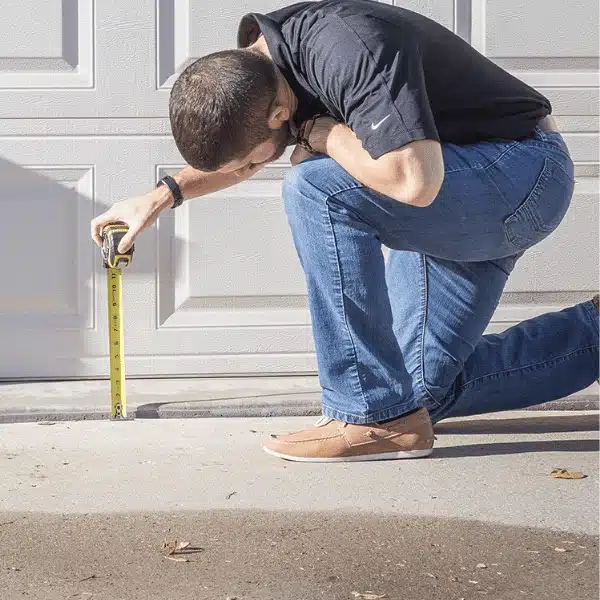
- Evaluate which slabs have settled and by how much—homeowners can benefit from having their concrete inspected for settlement and damage to ensure safety and prevent further issues
- Look for drainage issues, gutter discharge, and grading problems
- Determine whether concrete leveling is a good fit or if another solution is needed
Step 2: Lift and Support the Slab
We use a high-density expanding polyurethane foam that is injected through small holes drilled into the slab. As the foam expands, it:
- Fills empty voids left by thawing and eroded soil
- Gently lifts the concrete back toward its original position
- Helps stabilize the base and support the slab long term
The material is lightweight, so it will not cause additional settlement, and it is designed to resist washout. Concrete leveling is typically much less in cost than full replacement, making it a cost-effective solution for homeowners. Larger projects may take longer to complete, sometimes requiring one to three days depending on the size and complexity.
Step 3: Seal and Protect
After lifting, we can:
- Seal joints and cracks to help keep water from getting under the slab
- Recommend drainage or gutter improvements if runoff is part of the problem
Most projects are completed in a day, and in many cases, you can use the area again the same day or shortly after.
Get Ahead of Spring Concrete Problems
If you are already noticing uneven concrete as the weather warms up, that is your hint the ground under your slabs has changed. When the ground thaws in spring, frozen soil melts and often leads to settlement and uneven concrete problems like sinking slabs and cracks. The earlier you address it, the easier it is to correct.
Perma-Seal can help you:
- Identify where thawing ground has caused settlement
- Stop small issues from turning into major replacements
- Lift and protect your slabs so they are safer and look better
Schedule a free concrete inspection with Perma-Seal and let our team help you fix the damage winter left behind before it gets worse next year.