
Chicago is filled with homes that have stood for generations.
From brick bungalows on the Northwest Side to historic homes in Oak Park, Evanston, Arlington Heights, Joliet, and older neighborhoods throughout Naperville, many homeowners are living in houses that are 50, 75, or even 100 years old.
And while these homes were often built to last, age eventually catches up with every structure.
At Perma-Seal, we’ve inspected thousands of foundations throughout Chicagoland, and one thing has become clear: foundation problems rarely happen because of a single event. More often, they’re the result of decades of soil movement, changing drainage conditions, moisture exposure, and aging construction materials working together over time.
Chicago's Climate Never Stops Working Against Foundations
Few parts of the country experience the seasonal swings that we see throughout northern Illinois. Every year, foundations are exposed to:
- Heavy spring rains
- Saturated soils
- Hot, dry summers
- Freeze-thaw cycles
- Snow accumulation and melting
One thing our inspectors commonly tell homeowners is that foundations are constantly moving, even if that movement is small. The problem isn’t usually one wet spring or one harsh winter. It’s the cumulative effect of those conditions repeating year after year. Many of the settlement and wall movement issues we see today started long before the current homeowner ever moved into the house.
Stone Foundations Present Unique Challenges
Some of the oldest homes in Chicago and surrounding communities were built on stone or rubble foundations. These foundations have survived for generations, but they often require special attention. During inspections, we commonly find:
- Deteriorating mortar joints
- Water seepage through stone walls
- Bulging foundation sections
- Uneven settlement
- Moisture-related damage
Unlike modern poured concrete foundations, stone foundations rely heavily on the condition of the mortar holding everything together. After decades of moisture exposure, that mortar naturally begins to weaken. One thing that surprises many homeowners is how often the stone itself remains in excellent condition while the mortar becomes the primary issue.
Brick Foundations Can Hide Problems for Years
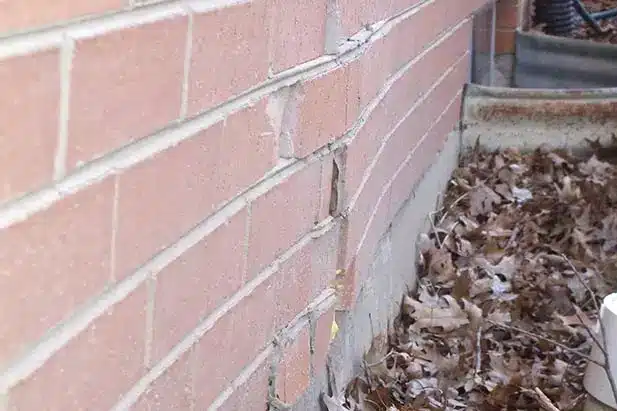
Brick foundation walls were widely used throughout the late 1800s and early 1900s. While brick is incredibly durable, the mortar between those bricks doesn’t last forever. A common pattern we see in older Chicago-area homes is gradual mortar deterioration that occurs so slowly homeowners don’t notice it until visible cracking appears. Warning signs often include:
Stair-step
cracks
Bowing
walls
Water
intrusion
Loose mortar
joints
Settlement-related movement
In many cases, homeowners are surprised to learn the crack they just noticed may have been developing for years.
Older Concrete Foundations Weren't Built Like Today's Foundations
Many homeowners assume that concrete is concrete. In reality, foundation construction methods have changed dramatically over the last century. Some older concrete foundations were built with:
- Limited reinforcement
- Thinner wall sections
- Less effective waterproofing systems
- Older construction techniques
One thing we often explain during inspections is that many older foundations were built before modern waterproofing practices became standard. As a result, these homes may have performed well for decades but eventually become vulnerable as drainage conditions change around them.
Aging Drainage Systems Are Often the Real Problem
This is one of the biggest misconceptions we encounter. Homeowners often assume a foundation crack means the foundation failed. But in many cases, the original problem is actually drainage. Over the years, we’ve inspected countless homes where the foundation was not the primary issue. Instead, we found:
- Collapsed clay drain tiles
- Broken downspout lines
- Improper grading
- Clogged footing drains
- Water collecting near the foundation
One thing our team sees regularly is homes with foundations that are structurally sound but are being subjected to constant moisture pressure because the original drainage system stopped functioning years ago. The foundation is often responding to the water problem, not causing it.
Mature Trees Can Create Uneven Soil Conditions
Older neighborhoods tend to have one thing newer subdivisions often lack: large mature trees. Homeowners frequently ask if tree roots are pushing directly against their foundation. While that can happen occasionally, that’s usually not the biggest concern. What we see more often is moisture-related soil movement.
Large trees can draw significant amounts of moisture from the surrounding soil during dry periods. This can create uneven moisture conditions around the foundation and contribute to differential settlement.
We’ve inspected homes where one side of the house remained relatively stable while another side settled due to differences in soil moisture caused by nearby trees.
Not All Older Homes Develop Problems at the Same Rate
One of the most interesting things we’ve learned over the years is that age alone doesn’t determine whether a home will have foundation problems. We’ve inspected 100-year-old homes in Oak Park with remarkably stable foundations. We’ve also inspected much newer homes experiencing settlement issues.
Why?
Because drainage, maintenance, soil conditions, and water management often matter more than age itself. In our experience, homeowners who stay ahead of drainage issues, maintain gutters and downspouts, and address small warning signs early tend to experience fewer major structural problems.
Chicago's Clay Soil Plays a Major Role
Across much of Chicagoland, expansive clay soil remains one of the leading causes of foundation movement.
These soils:
- Expand when wet
- Shrink when dry
- Create seasonal movement
- Increase pressure against foundation walls
One thing many homeowners don’t realize is that their foundation is constantly responding to what’s happening in the soil around it. Over decades, even small seasonal movements can begin to leave their mark on the structure.
Signs Older Homeowners Should Watch For
If you own an older home in Chicago, Oak Park, Naperville, Joliet, Evanston, Arlington Heights, or nearby communities, keep an eye out for:
- Horizontal wall cracks
- Stair-step cracks in brick or masonry
- Sticking doors and windows
- Uneven floors
- Bowing basement walls
- Water intrusion
- Gaps around window frames
- Expanding cracks
Not every crack indicates a major problem, but changes over time are worth paying attention to.
What We Tell Homeowners Most Often
One thing we’ve learned after decades of inspecting foundations throughout Chicagoland is that older homes are often far more resilient than people assume. Many have already survived generations of Chicago winters, heavy rains, and changing soil conditions.
The key is identifying small problems before they become major repairs.
In our experience, homeowners who address drainage concerns early, monitor changes in the foundation, and schedule inspections when something looks different often avoid the most expensive repairs down the road.
Final Thoughts
Older homes have character, craftsmanship, and history that many newer homes simply can’t replicate. But they also face challenges that come with decades of exposure to Chicago’s climate and soil conditions. Understanding why foundation problems occur is the first step toward protecting your home for the next generation.
Contact Us for a Free Foundation Inspection in the Chicago area
If you’ve noticed cracks, settlement, water intrusion, or other signs of foundation movement in your Chicago area home, Perma-Seal can help. Our team has spent decades inspecting and repairing foundations throughout Chicagoland and understands the unique challenges older homes face.
Contact us today to schedule an inspection and learn more about protecting your home’s foundation.