
Call Today!
800-421-SEAL (7325)

Is Upgrading Your Attic Insulation Worth the Cost in Chicago?

Attic insulation can be a major home improvement, so it makes sense to ask whether the cost is really worth it. For Chicago-area homeowners, the answer usually comes down to how the attic is performing now. If your second floor is hard to keep comfortable, the furnace or air conditioner runs constantly, or you deal with drafts and winter ice dam problems, the attic may be part of the reason.

We see this often in older Chicagoland homes. The attic may have insulation, but that does not always mean the attic is working well. The insulation can be thin, compressed, uneven, contaminated, or covering air leaks that were never sealed. Our approach is to remove the existing insulation completely, test the home for air leakage, address the attic floor, and then install new insulation. We do not add new insulation over old material.

What Does Attic Insulation Cost in Chicago?

For many Chicago-area homes, a full attic insulation and air sealing project can fall in the range of about $7,500 to $10,500, depending on the size and condition of the attic. That cost reflects more than the amount of insulation being installed. Every home we work on receives a blower door test, complete insulation removal, air sealing, and new insulation installation.

This is why attic insulation estimates can vary so much between contractors. One quote may be based on blowing another layer of material over what is already there. Our process starts by removing the old insulation so we can actually see the attic floor and access the gaps and penetrations underneath it. When homeowners compare estimates, they should make sure they are comparing the work being performed, not just the final insulation depth or R-value.

Why We Remove the Existing Insulation

At Perma-Seal we do not install new attic insulation over old insulation. Removing the existing material gives us access to areas that would otherwise remain buried. Plumbing penetrations, electrical openings, framing joints, top plates, attic access points, and other gaps can allow conditioned air to escape from the house into the attic. If those openings stay covered, adding another layer of insulation does not correct the air leakage underneath.

Old insulation can also hide other conditions we need to see before the attic is rebuilt. Uneven coverage, compressed material, evidence of previous work, or areas that have been disturbed over time are much easier to evaluate once the attic floor is exposed. Starting with the old insulation removed lets us build the new system from the attic floor up instead of working around an unknown layer.

Every Home Gets a Blower Door Test

A blower door test is part of every attic insulation project we perform. The test helps us understand how much uncontrolled air is moving through the home. That matters because insulation and air sealing do different jobs. Insulation slows heat transfer, while air sealing helps stop conditioned air from leaking through openings in the building envelope.

We use the test as part of the evaluation rather than guessing where the home may be losing air. Once the existing attic insulation is removed, our team has better access to the areas that need to be sealed before new insulation is installed. That process is a big part of what separates a complete attic project from simply adding more insulation.

Comfort Is Usually the First Thing Homeowners Notice

Most homeowners do not start researching attic insulation because they want a higher R-value. They start because part of the house is uncomfortable. Bedrooms may be cold in winter, hot in summer, or noticeably different from the first floor even when the HVAC system has been running for hours.

The attic can play a large role in those temperature differences. Heat moves toward colder areas during winter, while a hot attic can increase heat transfer toward the rooms below during summer. Air leakage through the attic floor can add to the problem. By removing the old insulation, sealing those openings, and then installing new insulation, we can address both parts of the attic system rather than covering one problem with more material.
Better Insulation Can Reduce HVAC Runtime

A poorly insulated and air-sealed attic makes the heating and cooling system work harder. During winter, the furnace has to replace heat escaping toward the attic. During summer, the air conditioner has to remove heat entering from above.

Improving the attic can reduce some of that workload, but we do not promise homeowners a fixed percentage of energy savings. HVAC efficiency, thermostat settings, windows, ductwork, home size, and everyday habits all affect energy use. A house with major attic air leakage and poor insulation has more room for improvement than a home whose attic is already performing well.

The blower door test helps give us a better picture of the home’s air leakage before we begin the insulation work.

Drafts Are Often an Air Sealing Problem

Adding insulation by itself does not stop air from moving through gaps in the attic floor.

We commonly find openings around wiring, plumbing, framing, attic hatches, and other penetrations. Warm air can escape through those areas during winter, carrying heat and moisture into the attic. In summer, uncontrolled air movement can also make the home harder to keep comfortable.

Because we remove the existing insulation first, we can reach those openings instead of burying them under another layer. Once the air sealing is complete, the new insulation can do its job more effectively.

Ice Dams Are Another Reason to Look at the Attic

Chicago winters can expose weaknesses in an attic quickly. Ice dams often develop when heat from inside the home reaches the roof deck and melts snow. The water then travels toward the colder roof edge and freezes again.

Insulation and air sealing can help reduce that heat loss through the attic. They are not the only factors involved, since roof design, ventilation, weather, and snow conditions also matter. Still, repeated ice dam problems are a good reason to evaluate how much heat is escaping into the attic.

Our process lets us look at the attic as a complete system instead of treating ice dams as a simple insulation-depth problem.

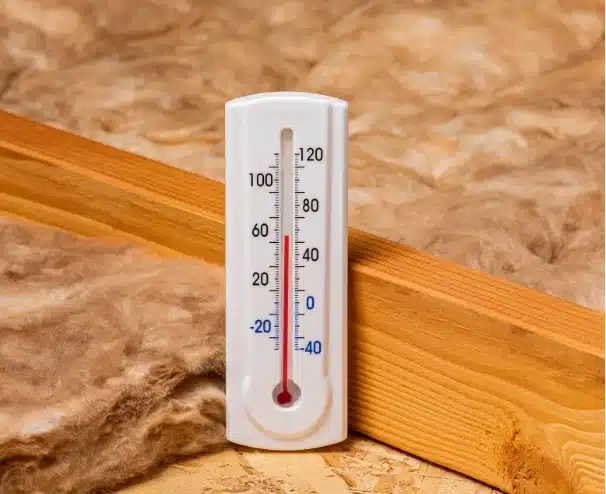
Attic Insulation Thermometer

Is the Energy Savings Worth the Cost?

Energy savings are part of the value, but we do not think attic insulation should be judged only by a payback calculation. Better comfort, fewer drafts, reduced HVAC runtime, and better control of attic heat loss can all matter to a homeowner long before the project has paid for itself through utility savings.

How long you plan to stay in the home also matters. A homeowner planning to stay for many years has more time to benefit from improvements in comfort and energy use. If you are planning to sell soon, the decision may depend more on whether the attic has a clear performance problem that should be corrected before listing.


When We Think an Attic Upgrade Makes Sense

A full attic insulation project usually makes the most sense when we find several issues working together. That can include low or uneven insulation, significant air leakage, uncomfortable rooms, long HVAC run times, or winter roof problems.

Because every project starts with a blower door test and complete insulation removal, we are not deciding whether to add another few inches over what is already there. We are evaluating whether rebuilding the attic insulation and air barrier will improve the way the home performs.

That is a different scope of work from a basic insulation top-off, and homeowners should understand that difference when they compare prices.

So, Is Attic Insulation Worth It?

For many Chicago homeowners with poor attic insulation and air leakage, yes. The value comes from addressing the attic as a system rather than simply adding material until a certain R-value is reached.

Our process includes testing the home, removing the old insulation, exposing and sealing air leaks, and installing new insulation. We do not cover old insulation with new material because that would leave many of the conditions underneath it untouched.

If your attic is contributing to uncomfortable rooms, drafts, high HVAC runtime, or winter heat loss, a complete insulation replacement can make sense as a long-term improvement to the home.

Schedule Your Free Attic Insulation Evaluation

If you are trying to decide whether attic insulation is worth the investment, we can help you understand what is happening in your home. Every attic insulation project starts with a blower door test, and our process includes complete removal and replacement of the existing insulation rather than adding new material over old.

We will evaluate the attic, identify air leakage, and explain what we find before the new system is installed. Contact our team today to schedule your free attic insulation evaluation in Chicago or the surrounding suburbs.

How Do You Want To Get In Touch?

Schedule a Free Consultation & Estimate

Message and data rates may apply. Messaging frequency may vary. Reply HELP for assistance. Reply STOP to cancel. I understand that consent is not a condition of any purchase.

Schedule a Free Consultation & Estimate

Message and data rates may apply. Messaging frequency may vary. Reply HELP for assistance. Reply STOP to cancel. I understand that consent is not a condition of any purchase.

Consent to Receive Communications
By submitting this form, I consent to receive communications from Perma-Seal Basement Systems via email, phone, and text messages, including automated messages and prerecorded/artificial voice messages, for marketing purposes and service updates. I understand that my consent is not a condition of purchase and that I can opt-out at any time. I also acknowledge that message and data rates may apply.