
Most homeowners don’t think about their attic insulation until something feels off, rooms won’t stay warm, energy bills spike, or moisture issues start appearing. In the Chicago area, where homes face extreme temperature swings, failing attic insulation can quietly cause comfort, efficiency, and even moisture problems long before it’s visible. There are clear signs that indicate attic insulation problems, helping you identify when action is needed.
Recognizing the warning signs early can help you avoid higher utility bills, winter damage, and unnecessary strain on your HVAC system. Below are the most common signs your attic insulation may be deteriorating or no longer doing its job.
Uneven Temperatures Throughout Your Home
One of the earliest and most common signs of insulation problems is uneven indoor temperatures. If your upstairs feels noticeably colder in winter or hotter in summer than the rest of your home, your attic insulation may no longer be providing a proper thermal barrier. Sometimes, you may notice that one room is significantly warmer or colder than others, highlighting how poor attic insulation can create discomfort and inefficiency in specific areas of your home.
As warm air rises, it escapes through poorly insulated attic spaces, leaving upper floors uncomfortable and forcing your heating system to work harder. Proper insulation is essential for maintaining consistent temperatures throughout your home, improving both comfort and energy efficiency. This is especially common in older Chicago homes with outdated insulation levels. Learn more about home comfort issues caused by poor insulation.
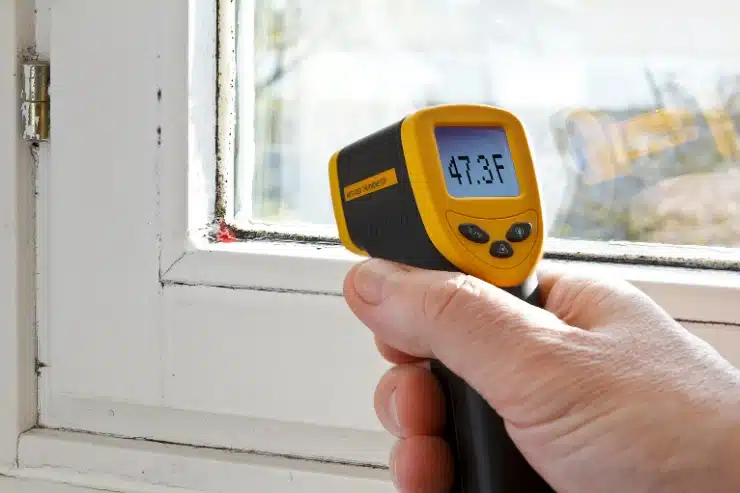
Rising Energy Bills Without a Clear Explanation
When attic insulation deteriorates, your home loses heat faster in winter and gains heat more quickly in summer. The result? Your furnace and air conditioner run longer and more frequently.
If your utility bills continue climbing despite normal usage or a well‑maintained HVAC system, failing attic insulation may be the culprit. Failing insulation allows conditioned air to escape and outside air to enter, forcing your HVAC system to work harder and driving up energy costs. Energy loss through the attic is one of the leading causes of poor efficiency in Midwest homes.
Drafts or Cold Ceilings in Winter
If rooms feel drafty even with windows closed or ceilings feel cold to the touch, insulation gaps or compression may be allowing outside air to penetrate your living space. Cold air entering through these gaps can make your home less comfortable and increase heating costs.
These drafts often go unnoticed at first but become more obvious during cold snaps. In many cases, insulation has shifted, compacted, or broken down over time, leaving exposed areas that allow heat to escape.
Ice Dams Forming on the Roof
Ice dams are a major red flag during Chicago winters. They form when heat from the attic melts snow on the roof, causing water to refreeze at the eaves.
Poor attic insulation allows heat to leak upward, warming the roof unevenly and triggering this cycle. Over time, ice dams can force water under shingles and into your home, leading to roof leaks and interior water damage.
Signs of Moisture, Mold, or Musty Odors
Attic insulation doesn’t just control temperature, it helps manage moisture. When insulation fails, warm, humid air from inside the home can condense in the attic, leading to damp insulation, mold growth, and musty smells. Mold growth in attic insulation is not just unsightly; it can be a significant health hazard for residents and pets due to the potential for airborne spores and allergens.
If you notice mold, dark staining, or persistent odors coming from your attic or upper floors, insulation deterioration combined with poor air sealing may be allowing moisture to accumulate and impact your indoor air quality.
Pest Activity in the Attic
Old or damaged insulation can attract rodents and insects. Over time, nesting, tunneling, and contamination reduce insulation effectiveness and create additional air leaks.
If you’ve had pest issues in the attic, it’s worth checking whether the insulation has been compromised and needs to be replaced.
Your Home Is Older or the Insulation Has Never Been Upgraded
Many homes in the Chicago area were built before modern insulation standards existed. Even if insulation is present, it may not meet today’s recommended R‑values (typically R‑49 to R‑60 for attics in this region).
Insulation also settles and compresses over time, meaning it provides far less protection than when it was first installed.
Why Early Detection Matters
Ignoring insulation problems doesn’t just impact comfort; it can lead to higher energy costs, moisture damage, ice dams, and unnecessary wear on your HVAC system. The longer insulation issues go unaddressed, the more expensive the fixes can become.
How Perma Seal Can Help
At Perma‑Seal, we specialize in identifying and correcting attic insulation problems before they turn into major issues. Our attic insulation evaluations look at:
- Insulation depth and condition
- Air leaks and heat loss points
- Moisture and ventilation issues
- Code compliance and R‑value requirements
When needed, we provide professional insulation upgrades, air sealing, and moisture‑control solutions designed specifically for Chicago’s climate.
Don’t Wait Until Comfort Turns Into Damage
If your home feels uncomfortable, your bills are climbing, or winter weather keeps causing issues, your attic insulation may be failing even if you can’t see it.
Schedule a professional attic insulation evaluation with Perma‑Seal today and get ahead of the problem before another heating season takes its toll.