October 2026 · Attic Insulation · Chicago, IL
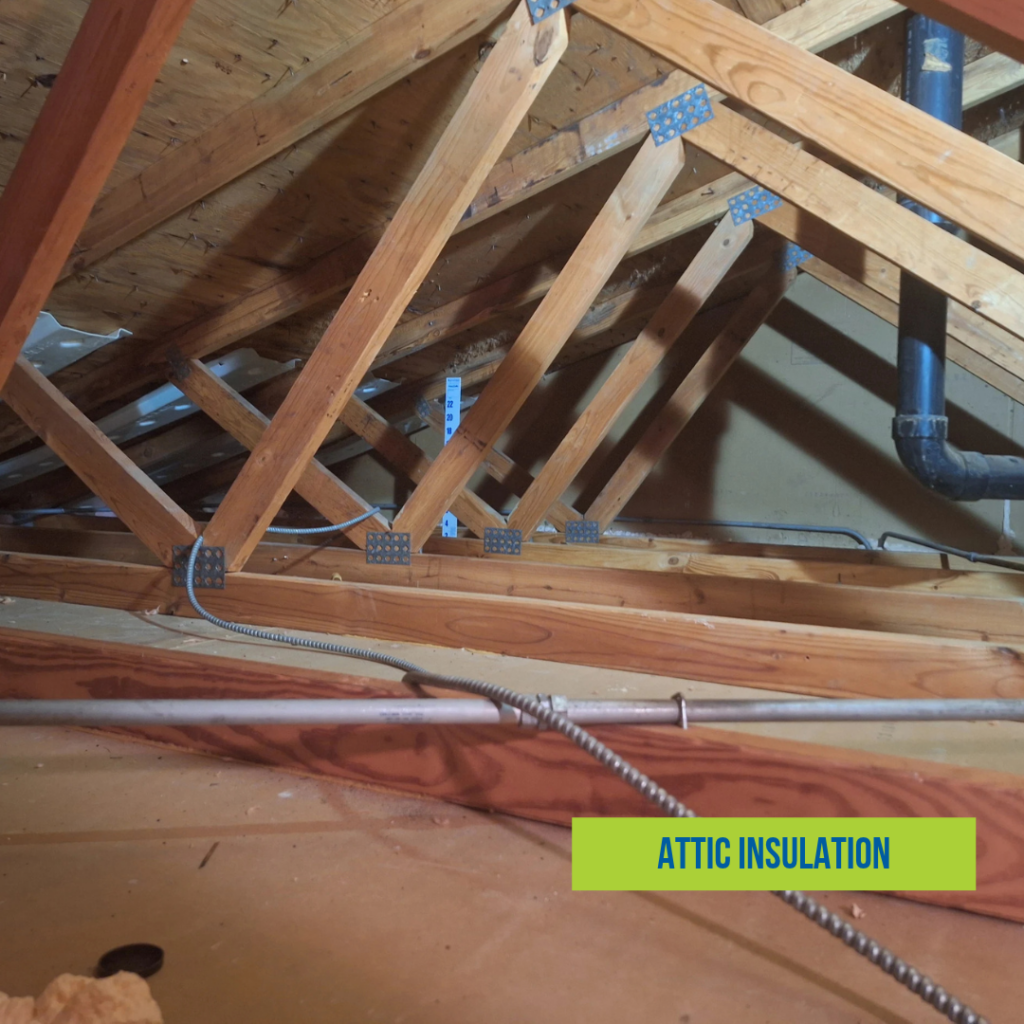
Most homeowners don’t spend much time thinking about what’s above their ceiling until they start looking at ways to make their home more comfortable and energy-efficient. At this Burr Ridge home, Garrell J. had our team remove the existing attic insulation, seal the attic, and install a new layer of blown-in insulation. By the time the crew finished, the attic had approximately 21 inches of insulation.
Replacing attic insulation involves more than simply adding material over what’s already there. Removing the old insulation gives our team access to areas that may need air sealing before the new insulation is installed. Gaps and openings between the living space and attic can allow conditioned air to escape, even when insulation is present. Addressing those openings first helps the new insulation do its job more effectively.
Before beginning the work, our crew protected the areas of the home they would be using. They installed plastic coverings to contain dust and debris and placed cloth tarps over the floors and landing. With the work area prepared, they removed the old insulation, completed the air sealing, and blew in the new insulation to a depth of approximately 21 inches.
The entire project took about five hours. Once the installation was complete, the crew cleaned the work area and even offered to vacuum the surrounding spaces before leaving.
Garrell was particularly impressed with how the crew handled the project:
“The gentleman that performed the job were professional, courteous, on time, and extremely knowledgeable.”
He also noted the care taken to protect his home and clean up afterward, closing his review with:
“This crew was outstanding. Job well done!”
For homes around Burr Ridge and the Chicago suburbs, attic insulation plays an important role in limiting heat transfer between the living space and the attic, especially during cold winters and hot summers. But the installation process matters just as much as the material going in. At Garrell’s home, our team combined insulation removal, air sealing, and a substantial new layer of blown-in insulation with the care needed to keep the rest of the home protected throughout the work.