The Short Answer: It Depends on Whether You Have Water or Just Damp Air
Do you need crawl space waterproofing, or is a dehumidifier enough? If liquid water is getting into your crawl space, you need water management first, and a dehumidifier will not solve it. A dehumidifier removes moisture from the air; it is not designed to drain puddles, dry saturated soil or stop seepage through a foundation wall. If the soil stays dry and the problem is damp, musty air, you are dealing with water vapor and air leakage, and a sealed liner, air sealing and controlled dehumidification may handle it.
A vapor barrier alone cannot manage an existing groundwater problem, and we say so plainly, just as we say so when the smaller humidity fix is the right one. Before anyone quotes a scope, sort your own evidence: is water getting in, is the air simply too humid, or are both happening at different times of year? If the damp air you notice is mostly in a basement, the causes overlap but the fixes differ, and our guide to reducing humidity in your basement covers that side.
Water or Humidity? What You Can Check From the Access Hatch
Open the access hatch and look with a strong flashlight before you go in. If there is standing water anywhere near wiring, a sump pump or other electrical equipment, stay out and call a professional. No single symptom proves a cause, and many crawl spaces show signs from both groups below, but the pattern usually leans one way.
| What you see | What it more often suggests | What usually comes first |
|---|---|---|
| Puddles, standing water or muddy soil | Water entering from outside or rising groundwater | Find the source, then exterior and interior drainage |
| Water lines or staining on walls and piers | Water that rose and receded after storms or a thaw | Water management before any liner |
| White, chalky deposits on block or concrete (efflorescence) | Water moving through masonry and leaving minerals behind | Water management before walls are sealed |
| A sump pump that runs often | Ongoing groundwater pressure | A check of drainage and discharge before sealing |
| Condensation on ducts or pipes, rusted ductwork | Humid air meeting cool surfaces | Air sealing, a liner and dehumidification |
| Damp or falling floor insulation over dry soil | Humid air soaking into fiberglass | Remove damaged insulation, then control humidity |
| Mold on floor joists over dry soil | High humidity over time | Humidity control and a check of the wood |
| Musty odor upstairs | Crawl space air rising into the house | A look at the crawl space before blaming the basement or HVAC |
The water signs share one feature: liquid water is arriving, usually from outside after rain or snowmelt, or from groundwater pushing up. The humidity signs appear even when the soil looks dry, because humid air condenses on cool ducts, pipes and framing, and that moisture can damage a crawl space with no visible water at all. To sharpen the picture, leave a hygrometer (an inexpensive meter that reads relative humidity, meaning how much moisture the air holds compared with the most it could hold at that temperature) just inside the hatch and log readings for several weeks along with the weather. Take dated photos of the soil, walls, any sump basin and the underside of the floor after a heavy storm or thaw. Rising humidity over dry soil points toward a humidity problem, while mud and fresh water lines after a storm point toward bulk water.
When a Dehumidifier Alone Is the Right Call and When It Is the Wrong One
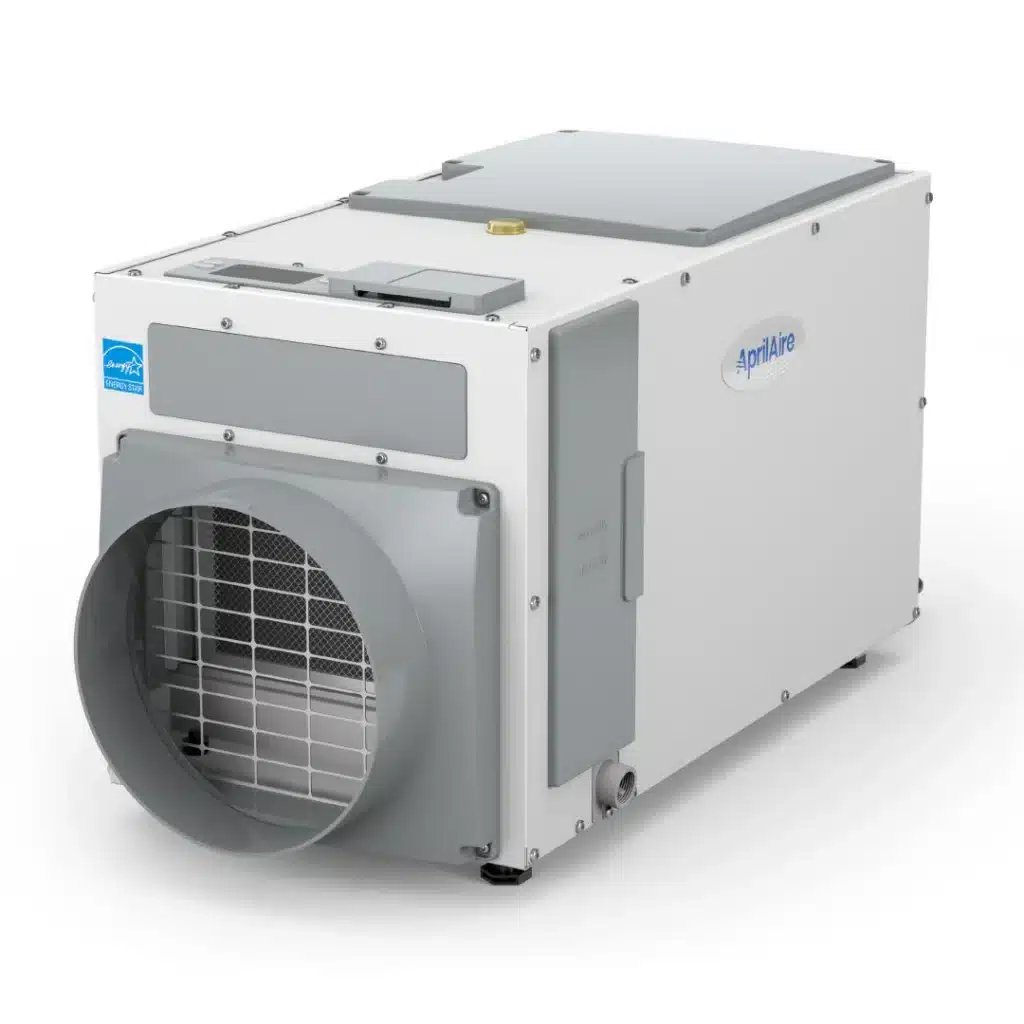
A dehumidifier paired with a liner and air sealing can be the right fix when the soil is dry, there are no water lines or seepage marks, and the moisture comes from exposed ground and humid outside air drifting in through vents and gaps. The job then is to separate the house from the soil and outdoor air, and control the moisture that remains. In those crawl spaces, the system we recommend may include a sealed floor and wall liner, air sealing, insulation and a Perma-Dry dehumidifier, with no drainage work at all.
The same machine is the wrong call in two common setups. With standing water or wet soil, it keeps drying a moisture supply that refills, running hard while water keeps soaking wood and insulation. With open vents, it dries outdoor air as fast as the vents let it in, which is a losing effort in humid weather. A dehumidifier does its job only after liquid water is controlled and the space is closed off enough for it to keep up.
A crawl space unit also needs somewhere for its condensate to go, such as a drain line, and a reliable electrical supply. Whether that means new wiring depends on the home and on what else, such as a sump pump, shares the space, and our licensed electricians can handle that work when it is part of the job. The Perma-Dry units we currently install remove up to 100 pints of moisture per day and drain continuously. Choosing and sizing a unit is its own topic, so this guide stays with whether you need one.
When Water Has to Be Managed First
When liquid water is getting in, the order of the work matters more than the products:
Stop or redirect
water outside
Gutters, downspouts and the slope of the yard (grading) decide where roof and surface water ends up. Downspouts emptying at the foundation or soil sloping toward the house can send water straight into a crawl space.
Collect and remove
what still gets in
An interior perimeter drain, often called drain tile, carries groundwater to a sump basin, and a sump pump sends it out of the house. A battery backup keeps the pump running if a storm cuts power.
Seal and condition
the space
With water under control, the liner, wall sealing, insulation and dehumidification can go in.
Exterior work is sometimes the main fix rather than an add-on. If water appears only after storms and the downspouts discharge right at the foundation, redirecting that water may change the picture before any interior work is considered, and we perform exterior drainage improvements such as underground downspout and sump discharge extensions. When groundwater is the source, hydrostatic pressure (the force of water in saturated soil pushing against walls and up through the floor) means exterior work alone may fall short. In that case we may recommend interior drainage, a sump pump and battery backup along with encapsulation.
Homeowners often ask whether mold will grow under a vapor barrier. A liner over soil that stays dry is a very different situation from one laid over mud, because covering active water hides it and holds moisture against the soil and foundation. That is why drainage comes before the liner in a wet crawl space, and our page on crawl space encapsulation and waterproofing explains what the sealing stage includes.
Also look for cracked crawl space walls, walls that bow inward or piers that lean. Water and structural movement can appear together, but they are separate questions, and a liner fixes neither a moving wall nor the pressure behind it. If you see displacement along with moisture, have the walls evaluated before settling on a waterproofing scope.
What Changes the Scope of Work
Two crawl spaces with the same symptom can need very different amounts of work. The main factors are:
- Crawl height and access
- Debris, old liners or damp fiberglass floor insulation that must come out
- How the liner is installed and how seams, walls and piers are sealed
- Whether vents and other openings need to be sealed
- Whether an interior drain, sump basin and sump pump are needed
- Electrical needs for a dehumidifier, a sump pump or both
- Exterior work such as downspout and sump discharge extensions
We build each encapsulation system from components chosen after inspection: a 20-mil floor liner, a polypropylene underlayment that lets soil gas disperse beneath it, foundation wall insulation, Perma-Foam rim joist insulation and air sealing around vents and penetrations. The rim joist is the band of framing resting on the foundation wall, and gaps there let outside air in. That also answers whether crawl space walls need insulation: once a crawl space is sealed, its walls and rim joist become the boundary between the house and outdoors, so our sealed systems insulate them.
Most projects fall into one of three scenarios. Lower scope means humidity only, dry soil and easy access, so the work centers on a liner, air sealing and dehumidification. Middle scope adds preparation such as removing debris or wet insulation, sealing and insulating walls, and closing off vents, still without drainage. Higher scope means bulk water that needs an interior drain, a sump pump and full encapsulation, sometimes with downspout or discharge work outside first.
Cost follows those factors so closely that a price given without seeing the space means very little, so compare quotes by scope and check whether each includes water management and explains why. Weigh the downsides of encapsulation as well: it costs more up front than a standalone dehumidifier, the equipment uses electricity, the liner can be damaged by careless storage or foot traffic, and it fails if installed over water that was never managed. Our CleanSpace liner carries a 25-year warranty against tears and punctures under normal use, and Perma-Dry dehumidifiers carry a five-year in-home replacement warranty. Our warranties transfer to the next owner with no transfer fee, coverage is product-specific under your installation agreement, and warranted work is serviced free of charge for the warranty period.
Why Chicago-Area Crawl Spaces Often Get Misdiagnosed
In Chicagoland homes, our inspectors regularly find standing water, muddy soil, mold on floor joists, rusted ductwork, wet or falling insulation, deteriorating wood and musty odors. The water problems tend to be seasonal. Heavy spring rains, snowmelt, expansive clay soils and seasonal groundwater changes all play a part, so a crawl space can look dry in late summer and hold water after a spring thaw.
That timing causes mistakes in both directions. A homeowner who checks during a dry stretch sees damp insulation, buys a dehumidifier and finds mud a few months later, while another sees ductwork dripping in July and assumes a leak when the cause is humid air. A musty smell upstairs can also come from the crawl space as air rises through the house, though it is easy to blame the basement or HVAC system instead. Check shortly after a thaw or heavy rain and again during humid summer weather, and if your crawl space is vented, note whether humidity readings rise and fall with the outdoor weather.
What a Crawl Space Inspection Should Tell You Before Any Quote
A good inspection answers specific questions before anyone recommends a product:
- Is liquid water getting in, and where?
- Are gutters, downspouts or grading part of the cause?
- Is an interior drain or sump pump needed, or would exterior work handle it?
- What has to be removed before anything is installed?
- Is humidity control alone enough, and if not, why not?
- Are there cracks or wall movement that need separate evaluation?
If an inspector cannot explain the water-versus-humidity question in plain terms, keep asking. Our consultations are free, and we do not use upsells or high-pressure sales, so you get a recommendation you can compare against other options, including the smaller one when it fits. Our overview of crawl space repair solutions shows the range of work involved. If your crawl space is already encapsulated and new symptoms are appearing, that is a different question from choosing a first fix, and the existing system should be checked before anything is added on top of it.
If you are not sure whether your crawl space has a water problem, a humidity problem or both, contact us to set up a free estimate. Call 1-800-421-7325, Monday through Friday from 8 a.m. to 6 p.m. or Saturday from 8 a.m. to noon. We serve Chicago and Northwest Indiana, and we will help you find out whether water has to be managed before any liner or dehumidifier goes in.